Walls
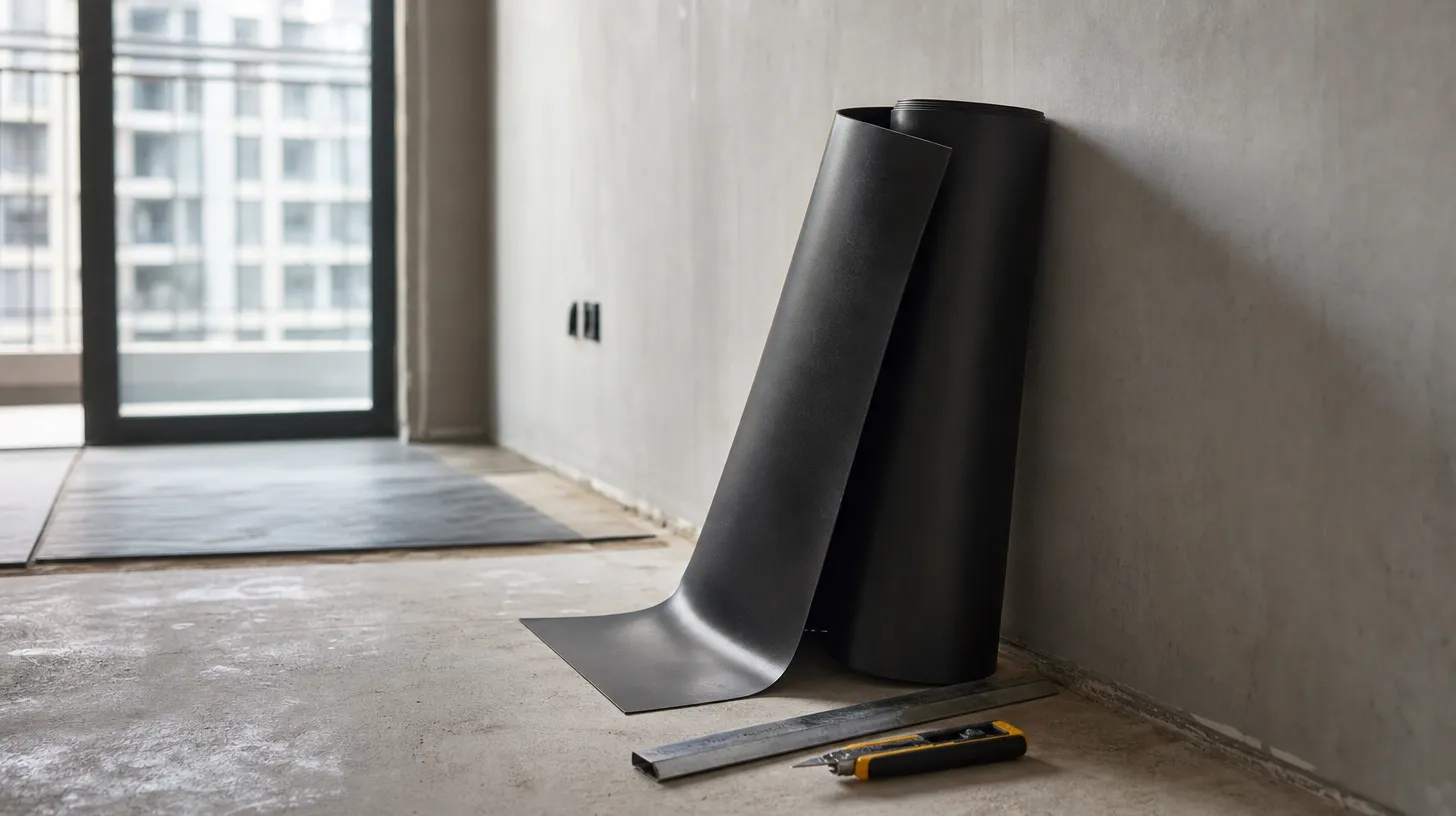
Mass Loaded Vinyl for Walls: Does It Work in a Rental?
Mass loaded vinyl genuinely blocks sound, but a standalone sheet rates only about 26 STC. Here's the honest read on whether it earns its price in a rental.
Mass loaded vinyl genuinely blocks sound, but a standalone sheet rates only about 26 STC. Here's the honest read on whether it earns its price in a rental.
Yes, you can make an apartment wall quieter, but be honest about the goal: renters mostly absorb echo and add modest mass, while truly blocking a shared wall takes construction you can't do.
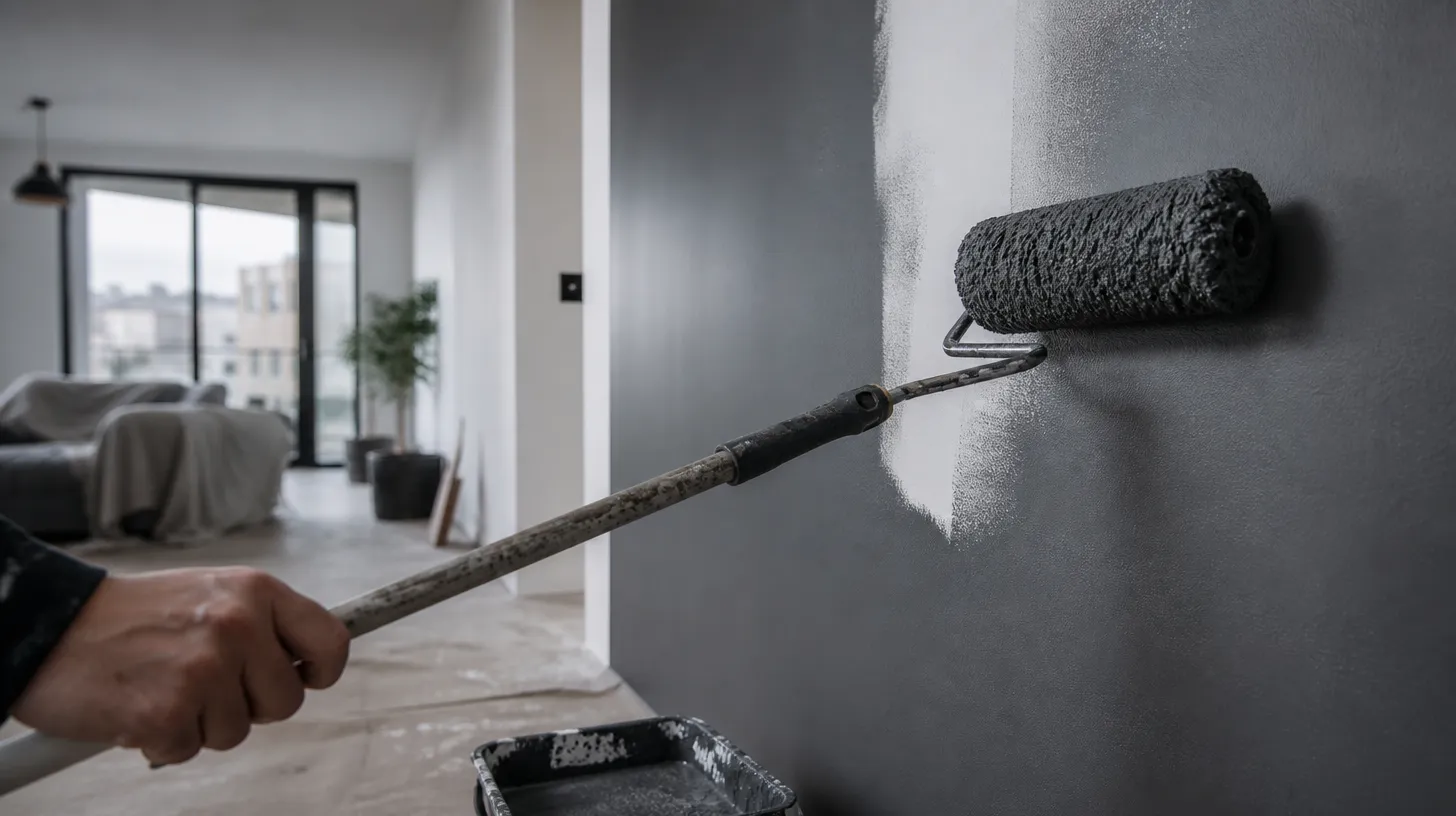
Soundproof paint is a thick coating that absorbs a little high-frequency noise and does essentially nothing for bass or a loud TV. Here's the honest verdict, and where your money actually belongs.
No, acoustic foam does not block sound. It absorbs echo inside a room and does almost nothing to stop a neighbor's noise. Here's the honest breakdown of what it actually does.
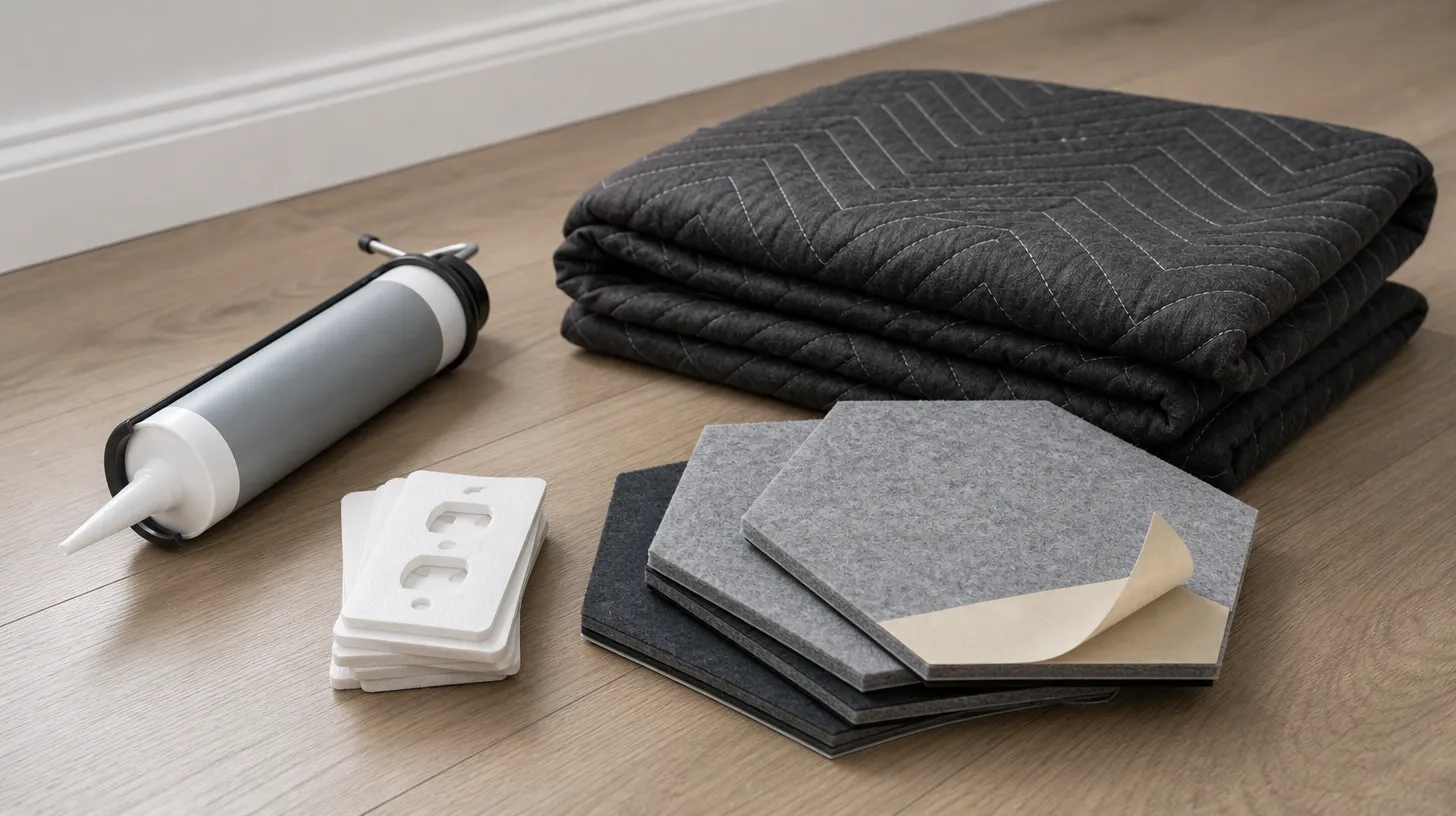
The cheapest way to soundproof a wall that actually works is boring: seal the air leaks around outlets and baseboards, then add soft mass, and skip the branded foam that can't block a thing.
Acoustic panels tame echo inside your apartment; they won't block a neighbor's noise. Here are six absorption panels worth buying, from renter-friendly peel-and-stick tiles to DIY mineral-wool boards.
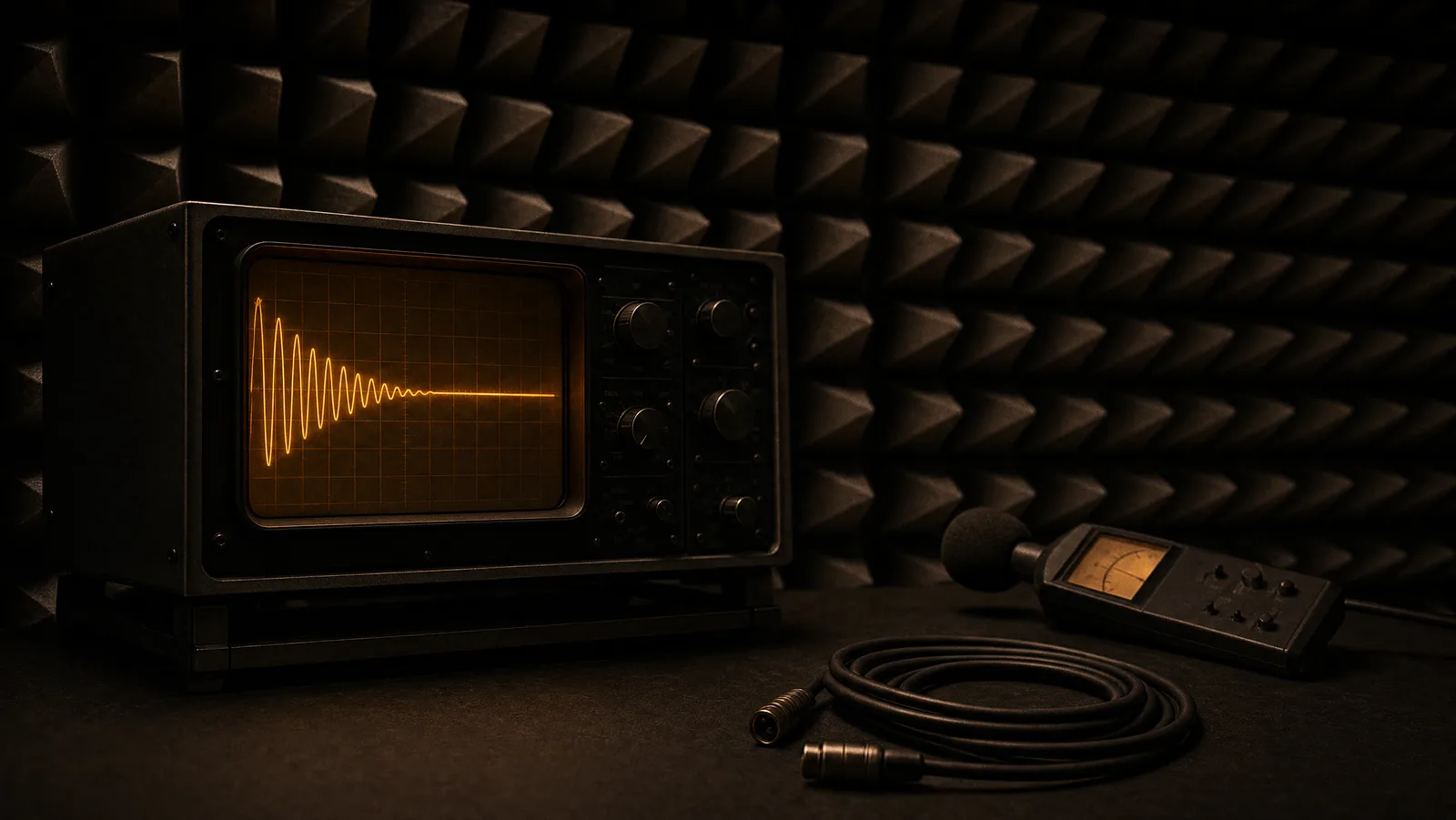
Most soundproofing advice is guesswork. These three free calculators run the actual physics — the Sabine equation, the mass law, and the loudness rule — so you can predict how echoey your room is, how much mass it takes to block a noise, and how much quieter a treatment will really feel before you spend a cent.
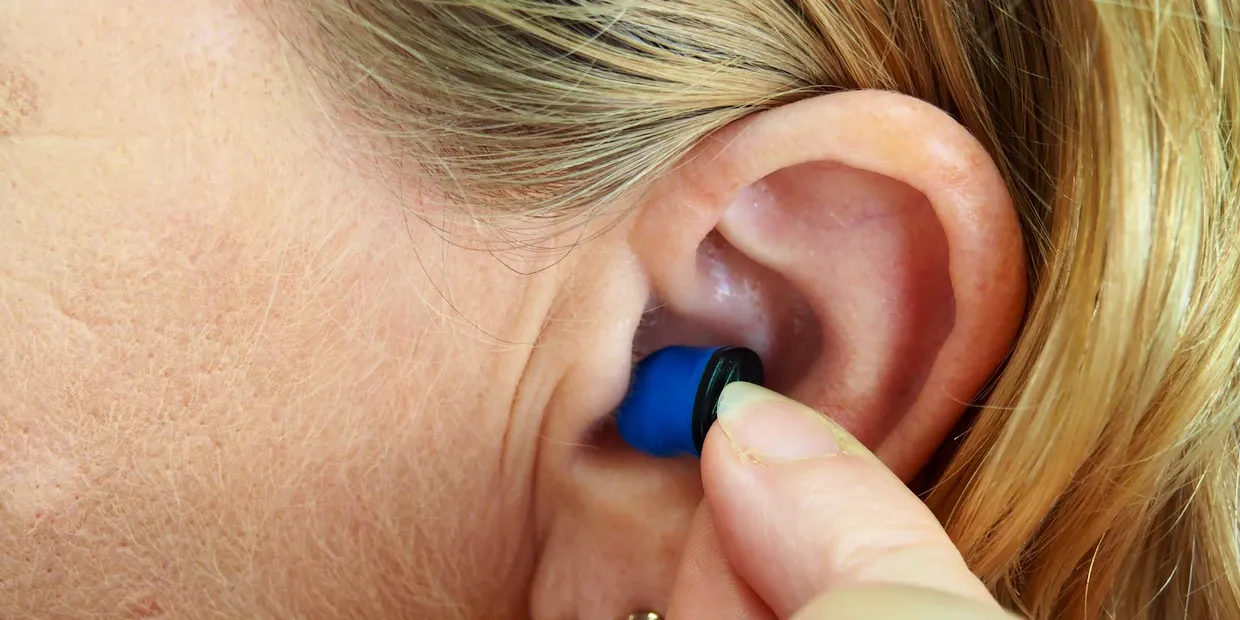
Traffic, sirens, and late-night chatter don't have to wreck your sleep. Here's how to pick earplugs that actually block street noise, what NRR really means, and the eight pairs we recommend.

A white noise machine won't block street noise, but it will hide it. Here's how sound masking works, what to look for, and the five machines we recommend for falling asleep fast in a loud apartment.

Foam panels won't soundproof a door, but the right combination of mass and absorption will. Here's the honest difference between absorbing and blocking sound, and the six materials that actually help.

The gap under your door is usually the single biggest noise leak in the room. Here are the four types of door-bottom seals, how to measure your gap, and the six we'd actually buy.
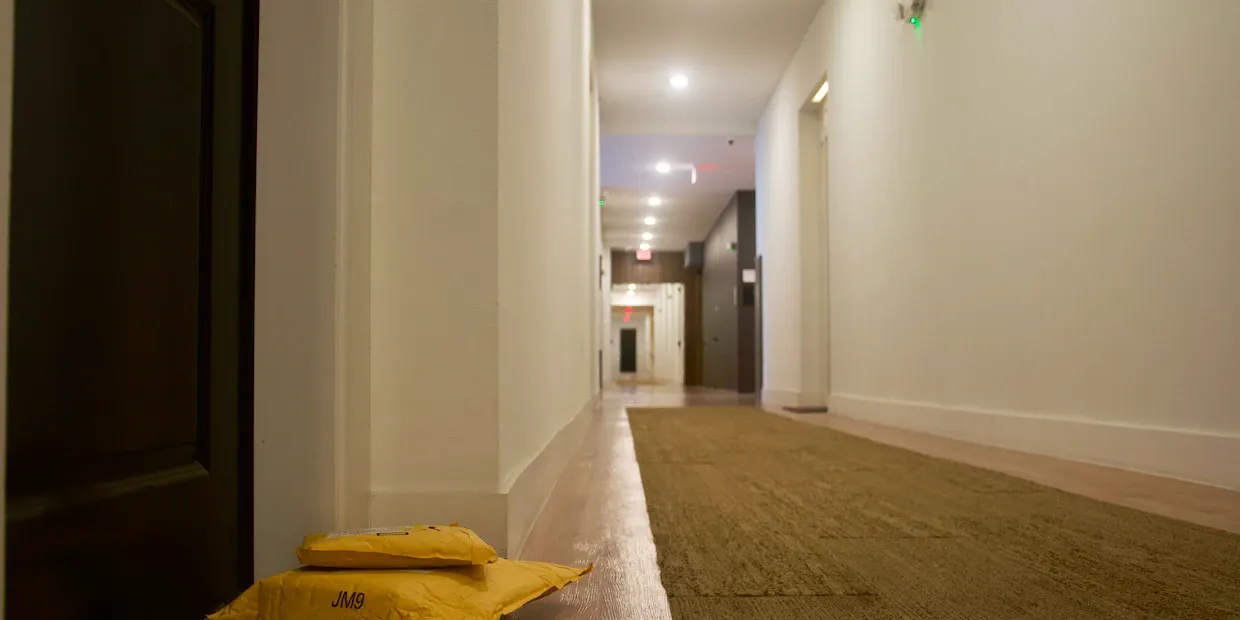
Your apartment door is mostly air gaps, and sound pours straight through them. These five renter-friendly steps seal those gaps and add mass, in order of best bang for your buck.