Let's be honest up front: a curtain will not turn your window into a wall. Real soundproofing means mass and airtight seals, and fabric is neither dense nor airtight. But heavy curtains are still one of the best bang-for-buck moves a renter can make, because they do three useful things at once — soften street noise, kill echo inside the room, and block light and heat — all without drilling into anything you can't patch later.
What heavy curtains can and can't do
Sound reaches you two ways: it travels through the glass, and it bounces around your room. Curtains help most with the second and chip away at the first.
- They absorb and dampen mid- and high-frequency noise — voices, sirens, the screech of brakes. A dense, layered curtain soaks up some of that energy instead of letting it ring around your bare-walled apartment.
- They add a little mass in front of the window, which slightly reduces how much sound transmits through.
- They don't block low-frequency rumble (engine bass, distant traffic) and they do nothing for noise coming through walls, floors, or ceilings.
Realistically, expect a noticeable softening — not silence. For the noise that comes through the glass itself, curtains pair best with sealing the window gaps — our full guide to how to soundproof apartment windows walks through that in order of cost — and for everything else you'll want the other tactics on this site. Used that way, they're genuinely worth it.
The three things that make a curtain work
Whether a curtain does anything for noise comes down to three factors:
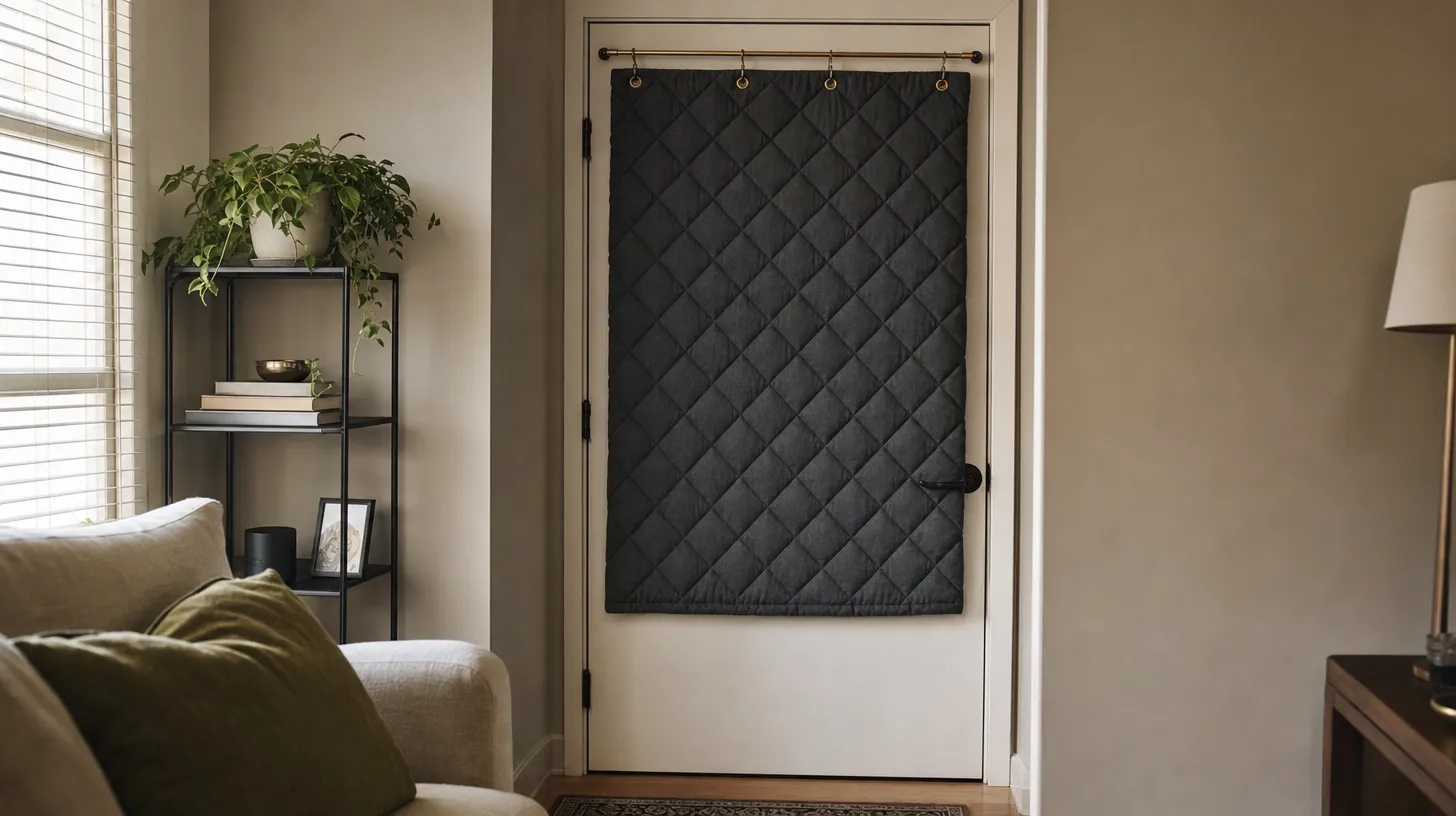
- Mass. Heavier is better. Look for triple-weave blackout fabric, and ideally a curtain with a felt or fabric liner — that extra dense layer is what actually absorbs sound. The RYB HOME felt-lined curtains are built exactly for this.
- Coverage. A curtain only helps where it covers. Buy panels wider than the window (at least 1.5-2x the opening so they stay full and gathered), mount the rod high and wide, and let them run floor to ceiling and pool slightly on the floor. Gaps at the edges leak sound and light.
- Seal at the edges. Mounting the rod close to the wall, using a wraparound rod, or adding a side channel keeps sound from sneaking around the sides. The closer the curtain hugs the wall, the better.
Which curtains to buy
For most rooms, start with our pick, the NICETOWN noise-reducing blackout curtains — they're heavy, affordable, and block almost all light. If you only have one problem window, the single-panel version lets you try it cheaply.
Got a big sliding glass door or balcony? Those wide openings leak the most noise, so size up to the extra-wide lined patio panel. And if noise reduction is your top priority and budget allows, the felt-lined RYB HOME set is the most absorptive option on the list.
Make them work harder
A few cheap tweaks roughly double the benefit:
- Double up. Hang a sheer or a second panel behind the main curtain. Two layers with an air gap dampen more than one thick layer.
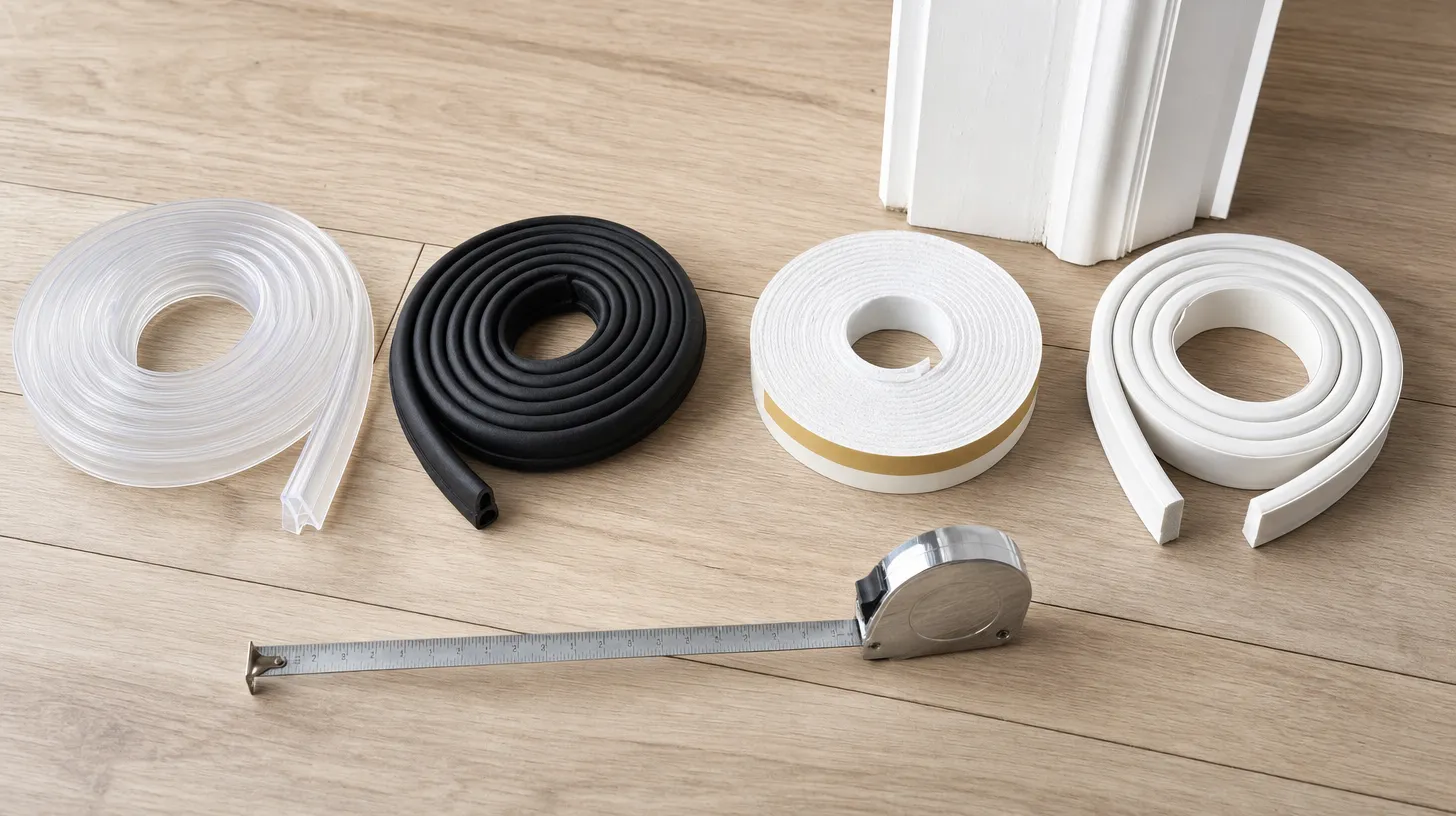
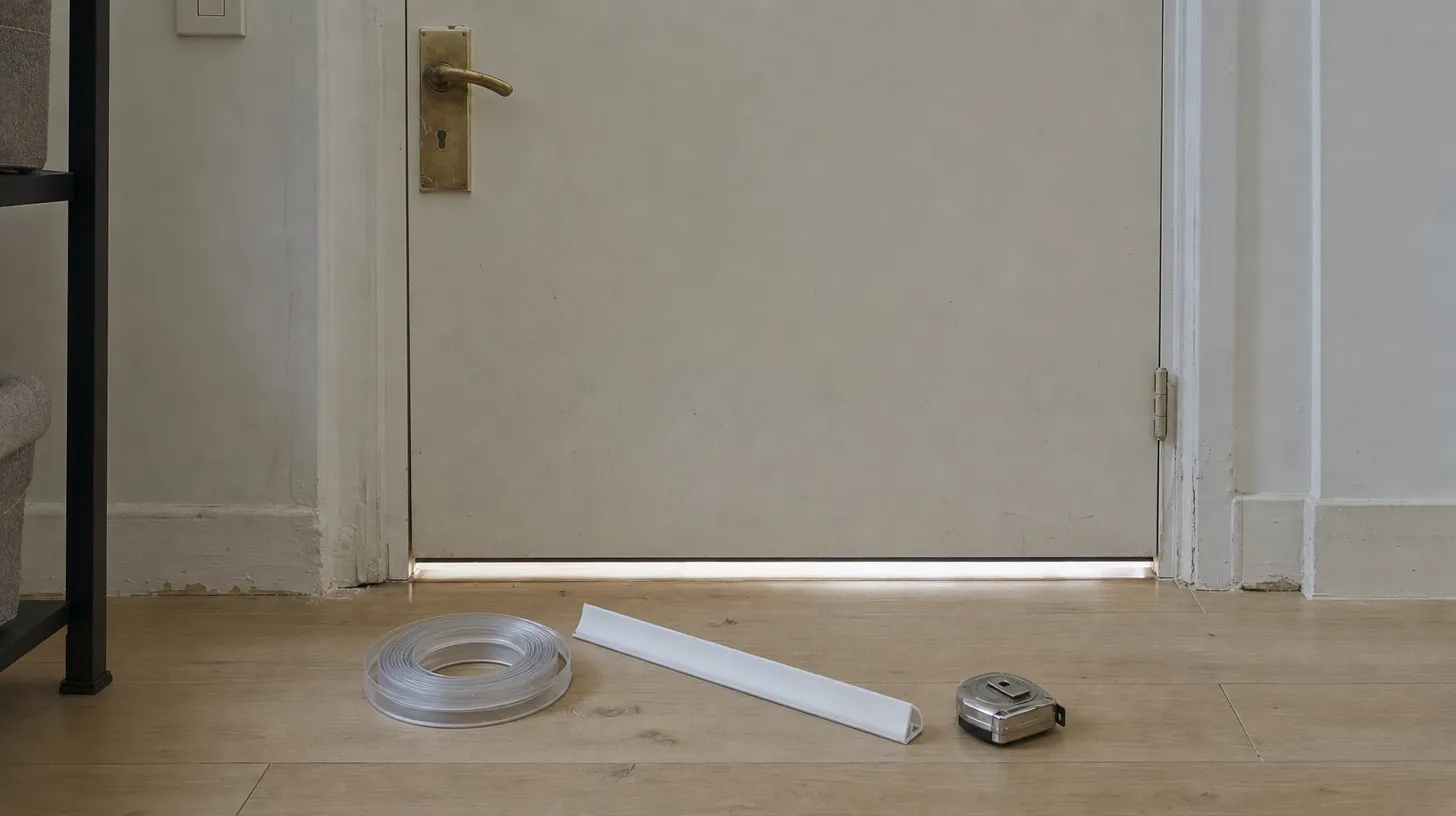
- Seal the window itself. Most window noise comes through gaps in the sash, not the glass. The same self-adhesive weatherstripping foam you'd use on a door works around a drafty window frame.
- Mount a side channel or use a wraparound rod so the fabric meets the wall instead of leaving a sound-leaking gap.
Where curtains fit in the bigger picture
Think of curtains as one layer of defense for your windows. For a genuinely quiet apartment, you'll want to cover the other paths sound takes:
- Seal and weatherstrip your apartment door in five steps, and block the gap under it.
- Add sound-absorbing panels or blankets to hard surfaces.
- Tackle shared walls with our noisy neighbors guide.
- Finish with a white noise machine or earplugs for whatever still gets through at night.
- Predict how much any of this will help first with our free soundproofing calculators.
FAQ
Do soundproof curtains really block noise?
They reduce it rather than block it. Heavy, layered curtains absorb mid- and high-frequency noise and cut echo, typically taking the edge off rather than silencing a window. They won't stop low-frequency rumble or noise through walls.
How heavy should the curtains be?
As heavy as you can reasonably hang. Triple-weave blackout fabric is the minimum; a curtain with a felt or extra fabric liner is better because the added density is what absorbs sound.
Should curtains touch the floor?
Yes. Floor-to-ceiling panels that pool slightly on the floor and extend well past the window edges cover far more of the sound path than short, narrow curtains. Mount the rod high and wide.
Are they worth it for renters?
Very much so. They install with a simple rod, leave no damage, move with you, and double as blackout and thermal curtains. For the price, they're one of the highest-value upgrades in this whole guide.
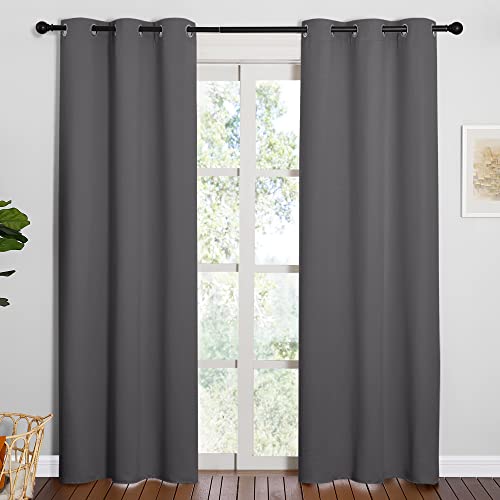
A triple-weave fabric that blocks 85-99% of light and adds real mass at the window. The best balance of price, weight, and looks, and the pair we'd start with.
Heavy, well-made, and the room is noticeably calmer with them drawn. Bonus, the bedroom is finally dark enough to sleep past sunrise.
*Price shown on Amazon and subject to change.
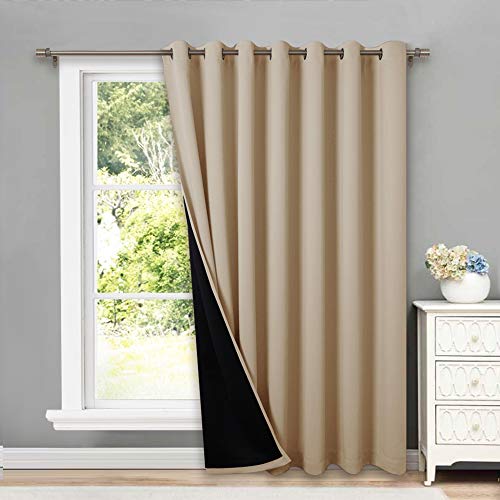
A wide, fully lined panel with a sewn-in black backing for 100% blackout and extra heft. Sized to cover a sliding patio door, the noisiest single opening in many apartments.
The added liner makes it heavy and it covers the whole slider with room to spare. Street noise from the balcony side dropped a lot.
*Price shown on Amazon and subject to change.

A detachable felt liner sandwiched between two fabric layers adds the dense, absorptive mass that actually dampens sound. The most noise-focused curtain here.
You can feel how much heavier these are than normal curtains. The felt layer takes the edge off the road noise better than anything else I tried.
*Price shown on Amazon and subject to change.
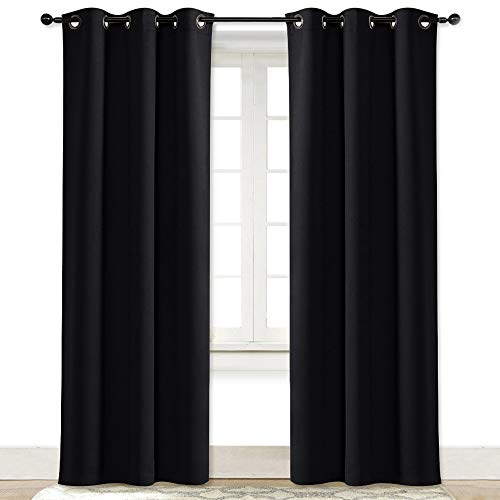
The same triple-weave construction sold as a single panel, so you can cover one problem window without buying a full set. A cheap way to test the idea.
Bought one for the window facing the street. Easy install, heavy fabric, and an instant improvement for not much money.
*Price shown on Amazon and subject to change.
| Pick | Product | Link | |
|---|---|---|---|
| Our Pick | NICETOWN — NICETOWN Noise-Reducing Blackout Curtains (2 Panels) | $21.75 | Check → |
| Best for Sliding Doors | NICETOWN — NICETOWN 100% Blackout Lined Patio Curtain (100 x 84 in) | $27.98 | Check → |
| Best Sound-Dampening | RYB HOME — RYB HOME 3-Layer Felt-Lined Curtains (Set of 2) | $69.95 | Check → |
| Best Single Panel | NICETOWN — NICETOWN Soundproof Thermal Blackout Curtain (Single Panel) | $16.15 | Check → |

Lillie Metayer
Lillie Metayer is the founder of a local program that helps apartment-dwellers take action against noise pollution. Involved in environmental activism since high school, Lillie is passionate about raising awareness of the harms of noise exposure and helping people reduce noise in their communities. In her free time, Lillie enjoys playing the violin and spending time outdoors.