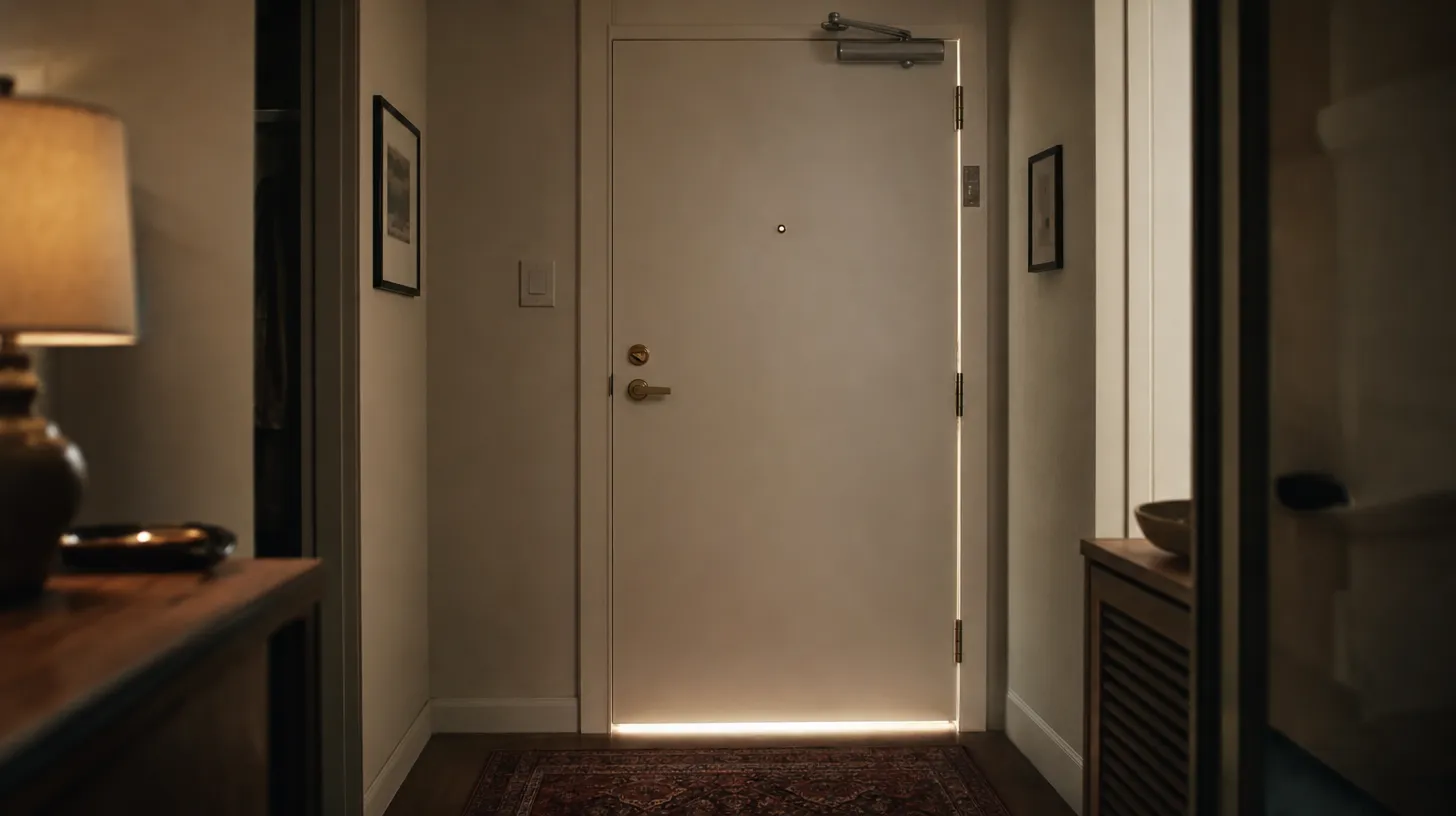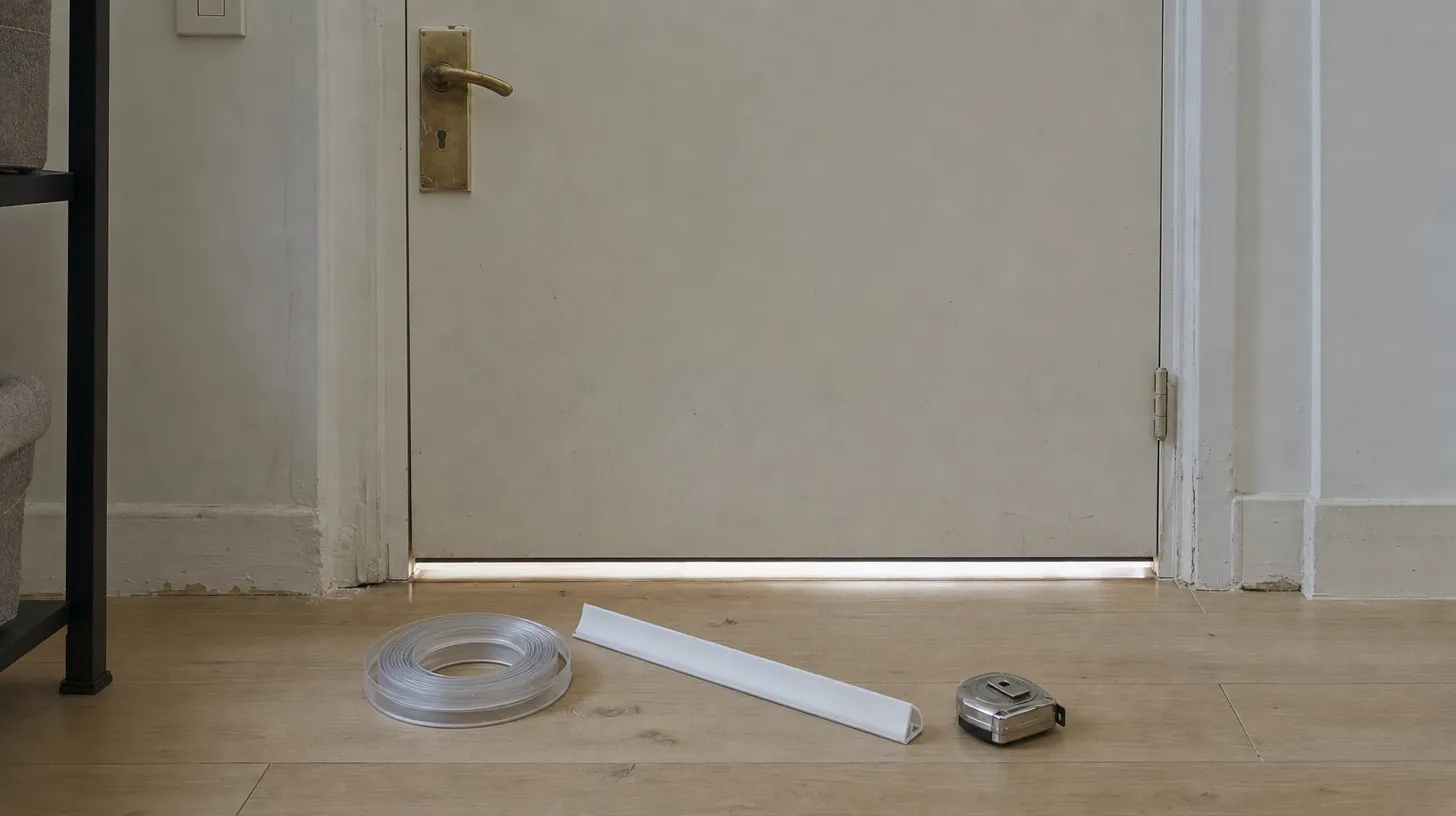
Here's the thing nobody tells you about doors: most of the noise isn't coming through the door, it's coming around it. Sound behaves like air and water — it finds every crack and pours through. A typical apartment door has gaps along the top, both sides, and a big one underneath, and together they leak more noise than the door panel itself ever would. Seal those gaps and add a little mass, and you can dramatically cut the racket from the hallway. Here are the five steps, ordered from highest payoff to lowest.
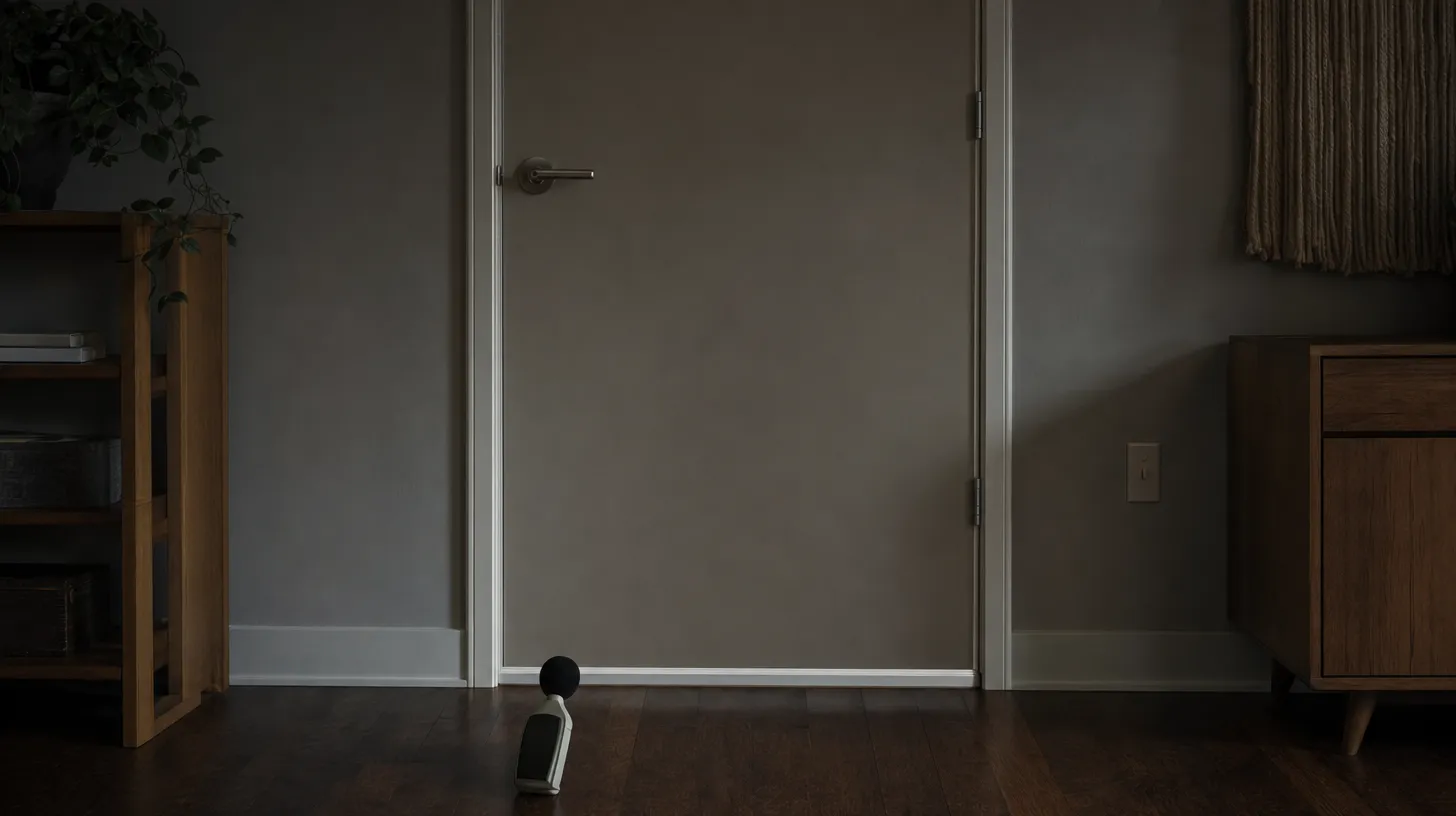
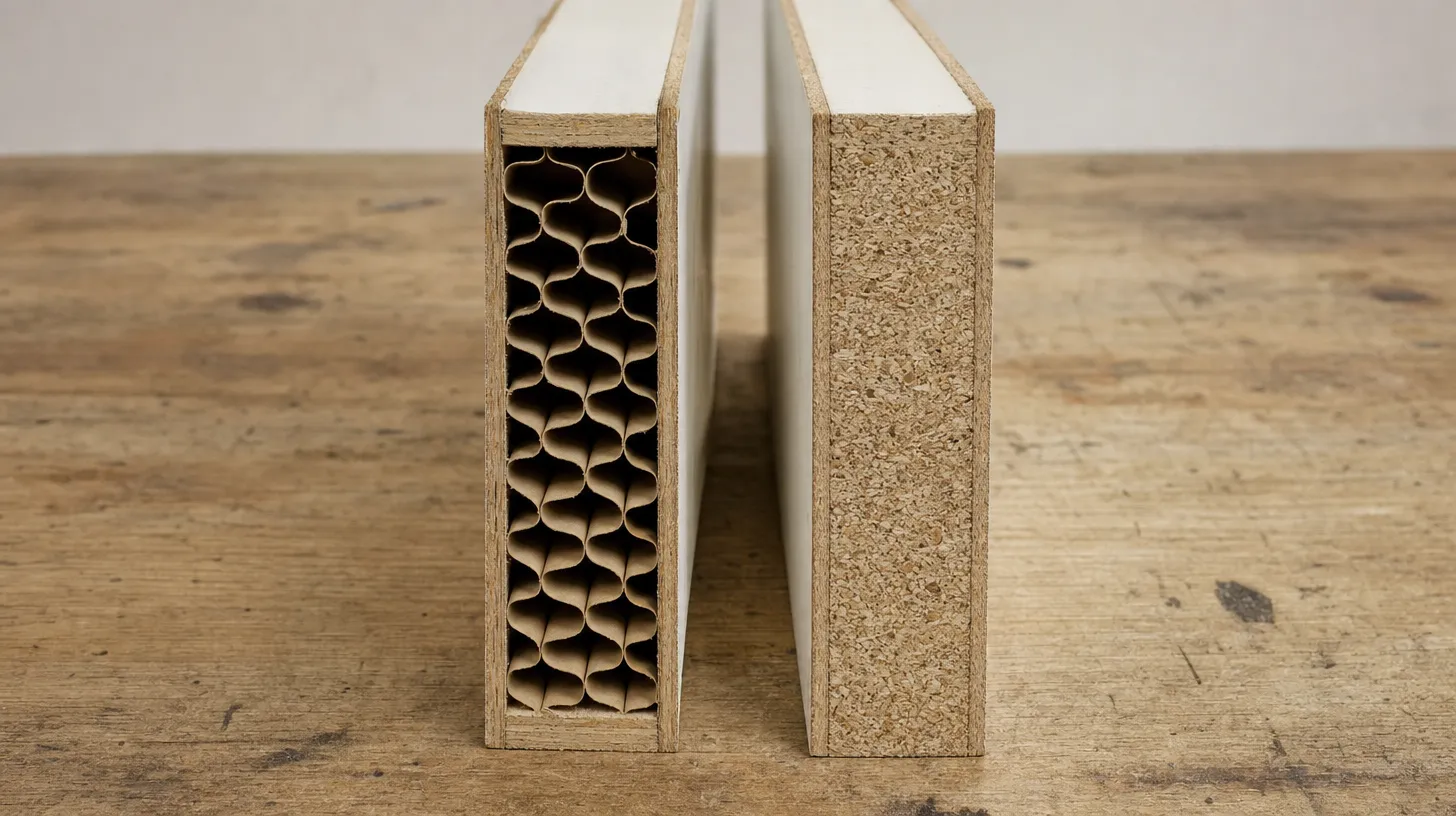
Illustrative. Most of the gain comes from closing the air gaps; the rest from adding mass to a lightweight panel.
Step 1: Seal the top and sides (start here)
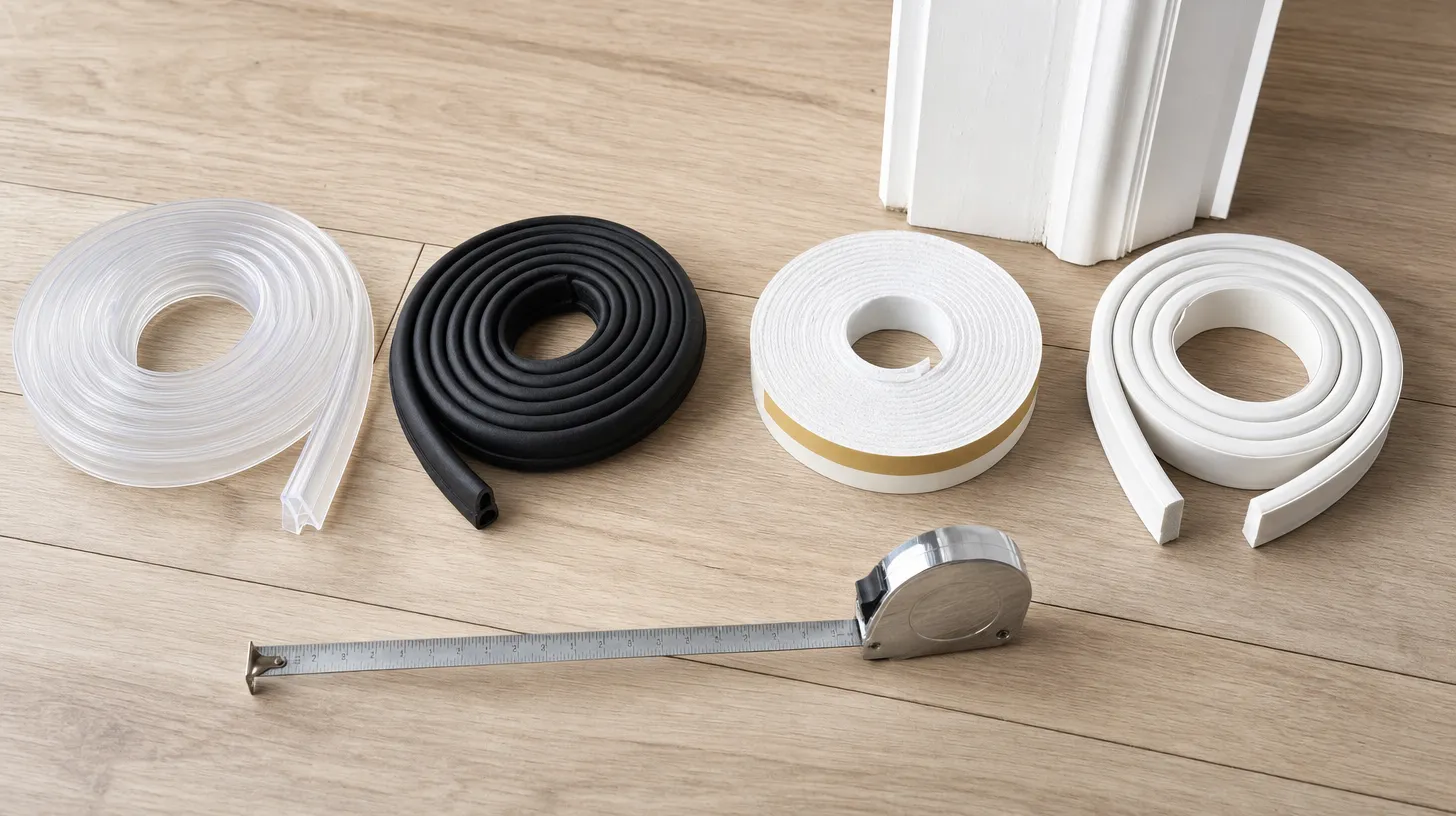
This is the cheapest fix with the biggest return. Run self-adhesive weatherstripping around the top and both sides of the door so the panel presses into a soft seal when it closes. Clean the surface first, cut to length, peel, and stick.
- For small, even gaps, high-density foam tape is the fast, dirt-cheap option.
- For bigger or slightly uneven gaps, step up to thicker EPDM rubber weatherstripping, which compresses better and lasts longer.
- If your door frame has a groove, a kerf-insert strip tucks in cleanly and handles wide gaps — the budget YZGJM version does the same job for a few dollars.
Step 2: Block the gap under the door
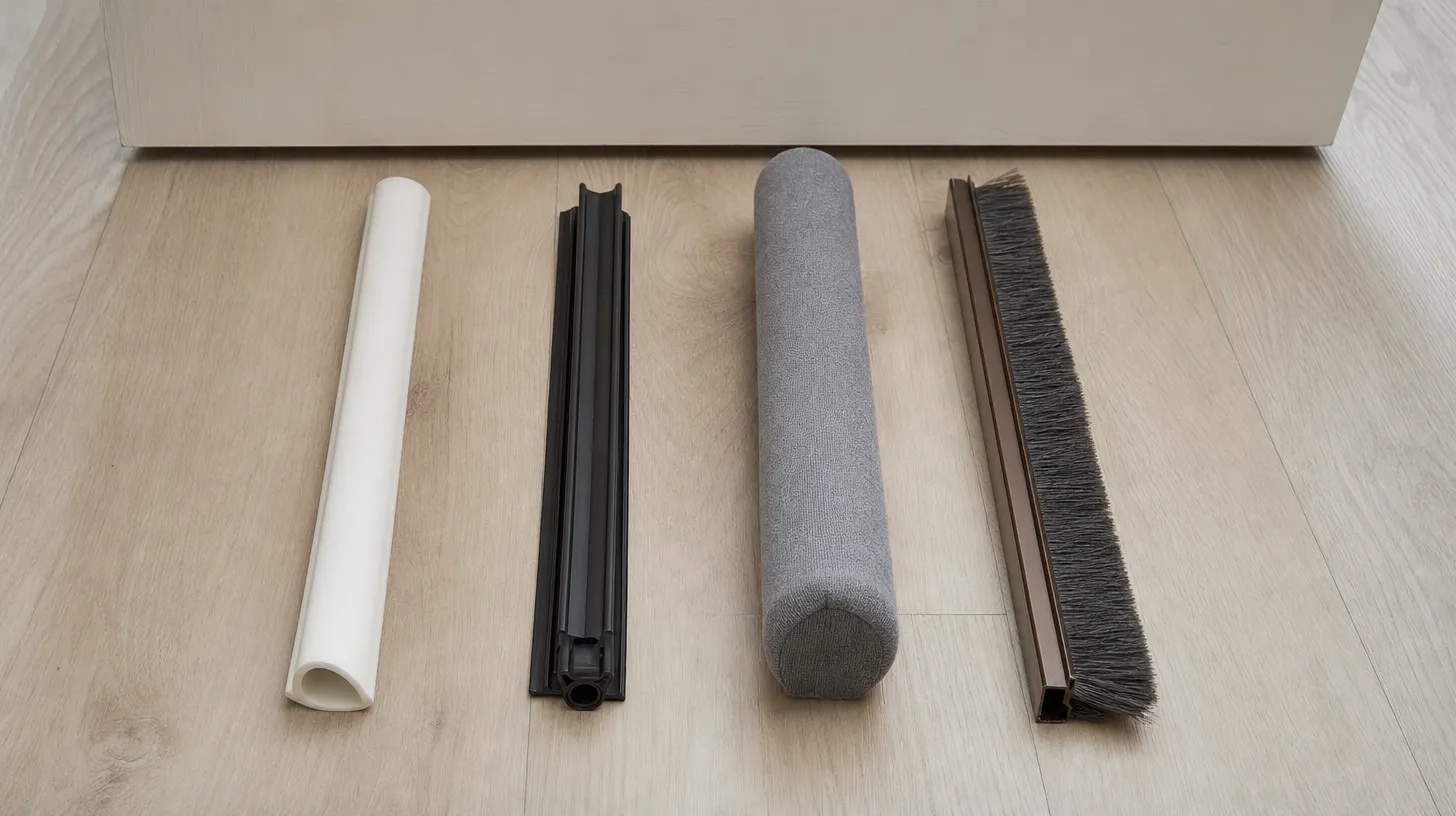
The bottom gap is usually the single biggest leak, and it needs its own solution because the door has to glide over the floor. A door sweep or under-door draft stopper like the MAXTID seals it without screws.
This step is so important it has its own deep-dive: see the best way to stop noise leaking out the bottom of your door for every type of sweep and how to pick the right one for your gap size.
Step 3: Use a proper door seal kit for an airtight close
Foam tape is great, but a dedicated acoustic door seal kit gives you a true compression seal all the way around — the same idea as the gasket on a fridge. Our pick, the Audimute Acoustic Door Seal Kit, includes seals for the perimeter plus a sweep and treats up to four doors. If you only do one upgrade, make it this one — it turns the whole door into a sealed plug.
Step 4: Add mass to the door panel
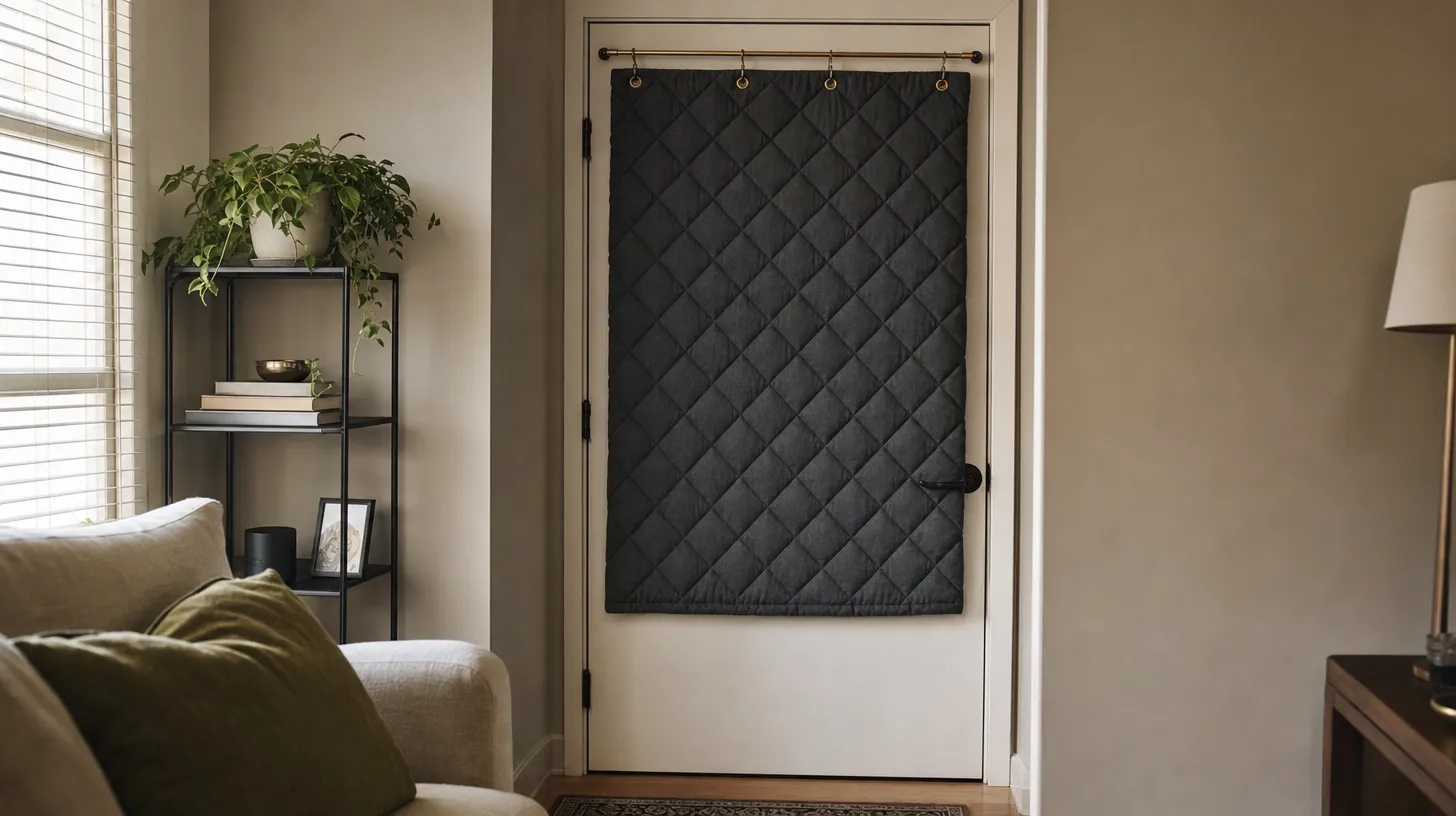
Once the gaps are sealed, the next weak point is the door itself. Many apartment doors are hollow-core, which is basically a drum — light and easy for sound to pass through. You can't always swap the door, but you can add mass and absorption to its face: a sound blanket, mass-loaded vinyl, or acoustic panels mounted on the inside of the door.
We cover exactly how to do this in prevent sound from traveling through your door with absorption, including which materials add real mass versus which only tame echo.
Step 5: Treat the area around the door
Sound that gets past the door bounces around your entryway and into the rest of the apartment. A small rug, a coat rack full of jackets, or an acoustic panel or two near the door absorb those reflections so the noise that does get in feels softer and less sharp.
Don't forget: gaps everywhere, not just the door
The same logic applies to every opening in your apartment. The leftover weatherstripping from Step 1 is perfect for sealing a drafty, noisy window frame — and once the window is sealed, heavy curtains finish the job. For the noise that still slips through at night, a white noise machine or a good pair of earplugs covers the rest.
FAQ
What's the cheapest way to soundproof a door?
Self-adhesive weatherstripping on the top and sides, plus an under-door sweep on the bottom. Together they cost under $30, install in minutes, and seal the air gaps that leak most of the noise.
Will weatherstripping damage my door or frame?
No — peel-and-stick foam and rubber remove cleanly, and kerf strips simply tuck into the frame groove. All of it is renter-friendly and leaves no permanent marks.
Do I need to replace a hollow-core door?
Not necessarily. Sealing the gaps gets you most of the way. If the panel itself is the problem, adding mass to its face with a sound blanket or panels is far cheaper and easier than swapping the door.
How much quieter will my apartment get?
Sealing the gaps makes a clear, immediate difference to airborne noise like voices and hallway sounds. It won't stop heavy structural noise (footsteps overhead, slamming doors transmitted through the building), but for everyday hallway and entryway noise, it's the highest-value fix you can make.

A complete kit with two door seals and a sweep, enough to treat up to four doors. Purpose-built compression seals close the perimeter far tighter than generic foam.
This is the kit that finally hushed the hallway. The seals compress when the door shuts, so there's no gap left for sound to leak through.
*Price shown on Amazon and subject to change.
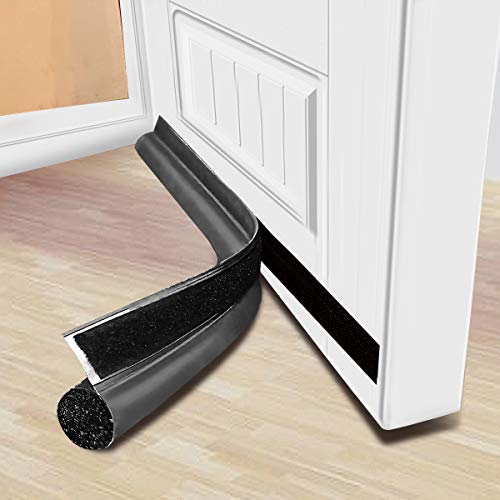
A hook-and-loop sweep that covers gaps up to 1.3 inches and slides with the door. No screws, no damage, easy to trim to width.
Two minutes to install and the light leak (and noise) under the door is gone. It moves with the door instead of dragging on the floor.
*Price shown on Amazon and subject to change.

High-density self-adhesive foam for the top and sides of the door frame. Cheap, easy to cut, and the fastest way to seal small perimeter gaps.
Peeled, stuck, done. The door shuts with a soft thud now instead of rattling, and the hallway noise dropped right away.
*Price shown on Amazon and subject to change.
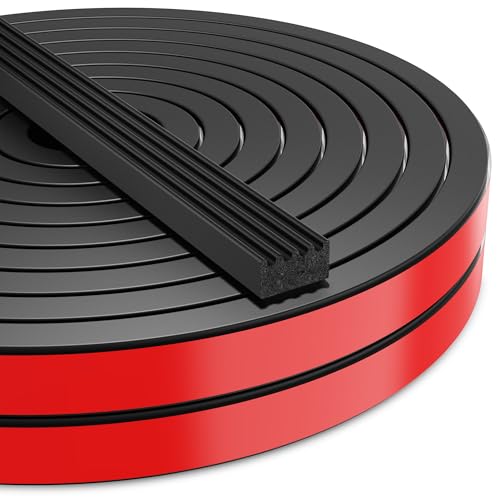
Thick, flexible EPDM rubber that compresses to fill bigger or uneven gaps better than thin foam, with a strong peel-and-stick backing. More durable, too.
The rubber is far sturdier than foam tape and seals my slightly warped door frame perfectly. Noticeably quieter and less of a draft.
*Price shown on Amazon and subject to change.

A kerf-insert strip that pushes into the groove in many door frames and handles wide gaps from roughly 8-20 mm. Sits hidden and won't peel off over time.
My door frame had a real gap on the latch side and this filled it completely. It tucks into the frame so it looks clean.
*Price shown on Amazon and subject to change.

A low-cost kerf strip with a PU foam core and smooth cover that absorbs gap noise and softens the door slam. The cheapest way to seal a grooved frame.
A few dollars and the door stopped slamming and leaking sound. Easy to push into the frame channel and cut to length.
*Price shown on Amazon and subject to change.
| Pick | Product | Link | |
|---|---|---|---|
| Our Pick | Audimute — Audimute Acoustic Door Seal Kit | $50.00 | Check → |
| Best Under-Door Sweep | MAXTID — MAXTID Under-Door Draft Stopper (36 in) | $16.99 | Check → |
| Best Foam Tape | Storystore — Storystore Weather Stripping Foam Tape (16.5 ft) | $13.99 | Check → |
| Best Rubber Seal | UIOCSSC — UIOCSSC EPDM Rubber Weatherstripping (26 ft) | $25.99 | Check → |
| Best for Large Gaps | Generic — Extra-Wide V-Shaped Kerf Door Weatherstrip (26 ft) | $17.99 | Check → |
| Best Budget | YZGJM — YZGJM Kerf Weather Stripping, PU Foam (26 ft) | $12.29 | Check → |

Lillie Metayer
Lillie Metayer is the founder of a local program that helps apartment-dwellers take action against noise pollution. Involved in environmental activism since high school, Lillie is passionate about raising awareness of the harms of noise exposure and helping people reduce noise in their communities. In her free time, Lillie enjoys playing the violin and spending time outdoors.