The best door sweep for soundproofing is a self-adhesive silicone one, and it costs about nine dollars. A silicone strip rated for a gap up to 1.5 in does most of the work available here, goes on without tools and peels off when you move out. Everything past that is fit, floor surface, and thresholds adhesive cannot handle.
That is a cheap answer to a real problem. The gap under a door is usually the single largest opening in an otherwise solid barrier, and sound travels in air. If air moves freely from the corridor into your bedroom, corridor noise arrives having lost very little on the way.
To be clear about what this page is: it is the buying guide, not the install guide. We already wrote the method, start to finish, in our guide to stop noise leaking under the door, and we are not going to re-teach it here. These words go on choosing between products. For the whole door - slab, perimeter, hinges, order of operations - start with soundproofing an apartment door.
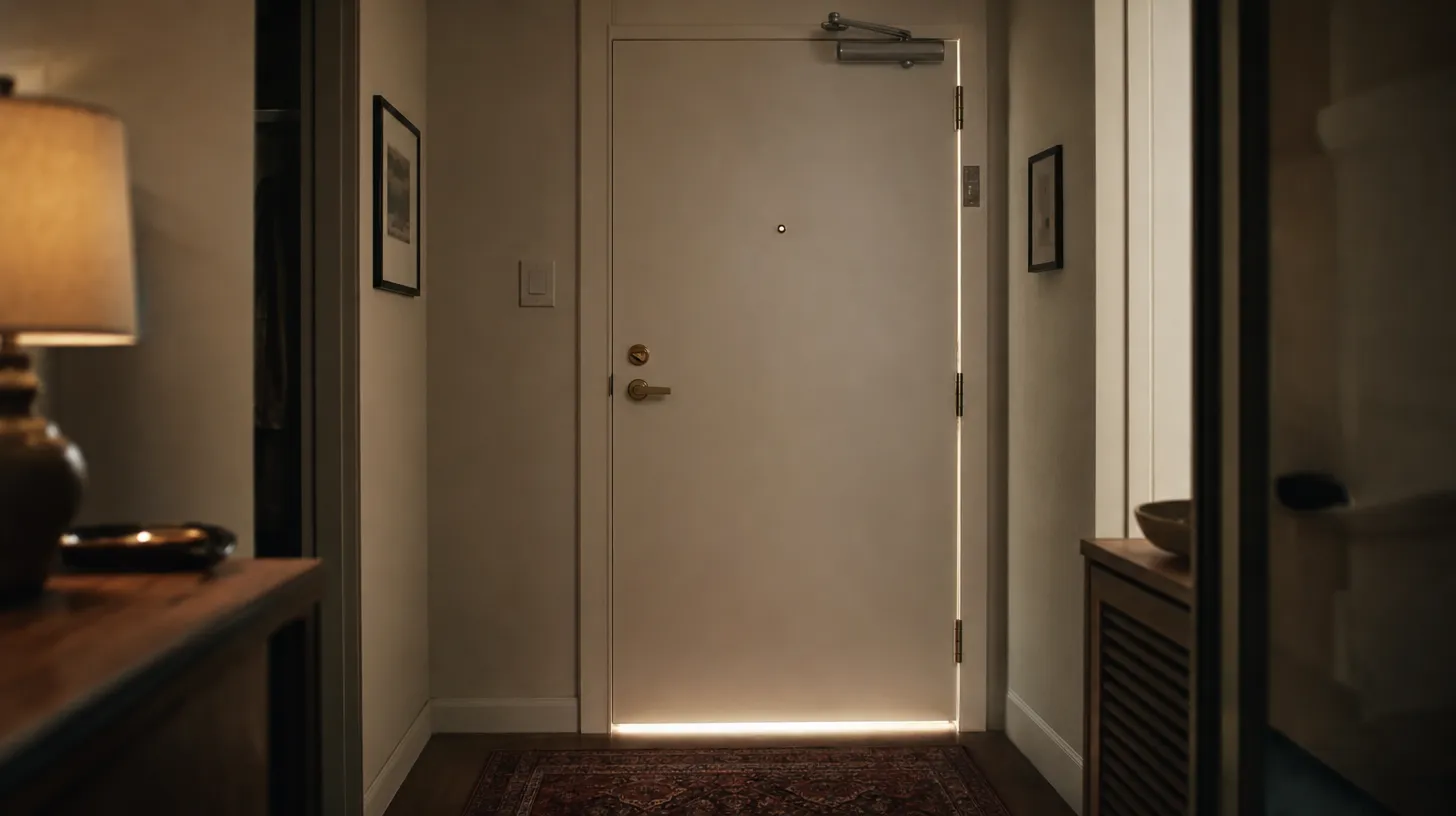
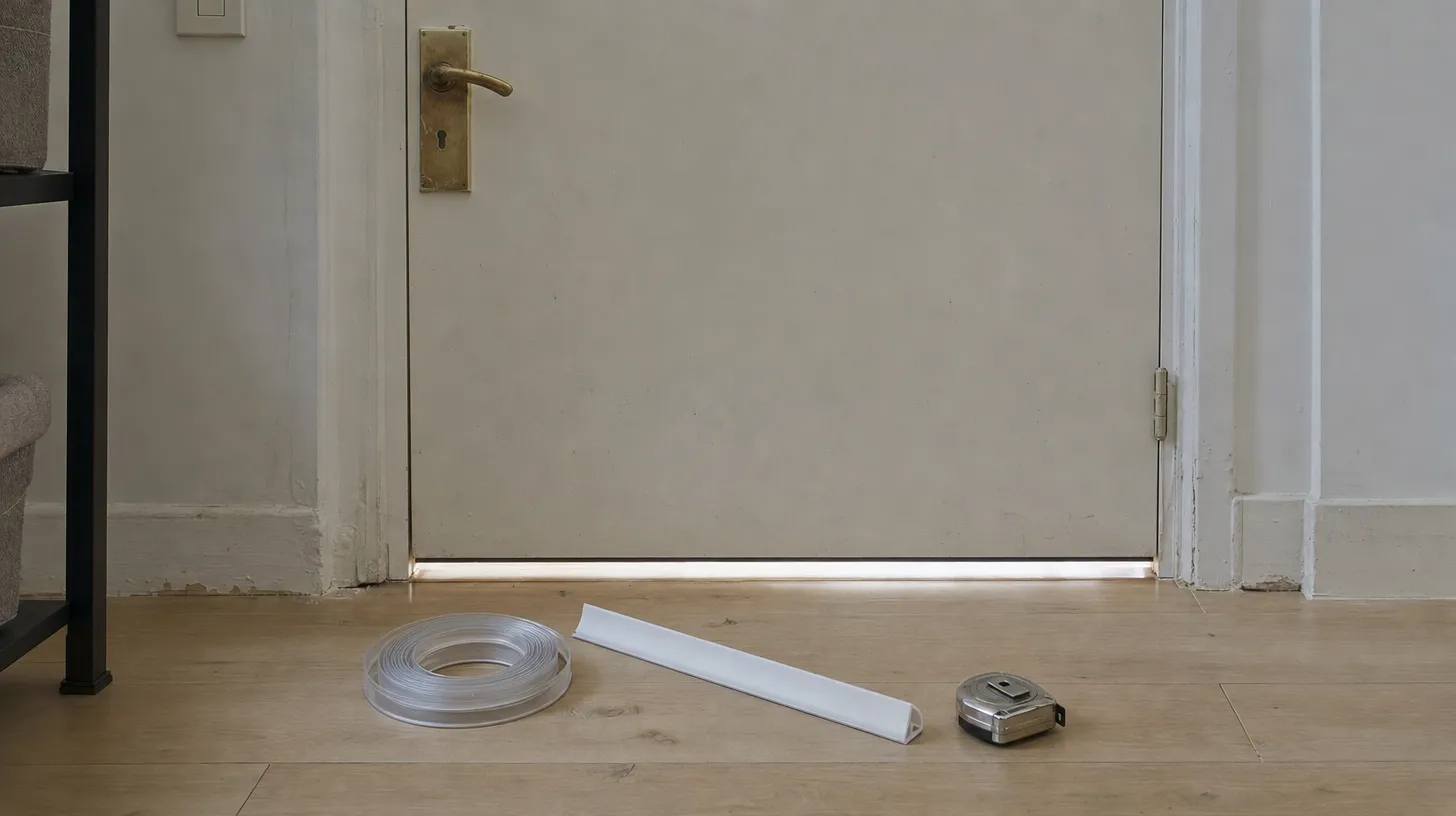
Free step first, as always. Stand in the dark room with the hall light on and look at the closed door. Light along the bottom means a gap worth sealing. Light up the sides and across the head means the bottom strip is only part of your job.
Why the gap under the door is the leak worth closing first
The arithmetic of openings is unkind. According to A.C.C. Warnock of the National Research Council of Canada, writing in Canadian Building Digest 186, "a sound leak amounting to one-tenth of one per cent of a partition area will limit the effective STC to about 30, whether the basic partition is rated at STC 40 or STC 60." The leak sets the ceiling and the barrier behind it cannot beat it. That is research-grade evidence about partitions, not a rating of anything on this page - an STC number is measured on a complete assembly in a laboratory, never on a component you stick to a door.
A rounder version circulates through the soundproofing trade. Acoustical Solutions, in its own guide to soundproofing a door, writes that "just a 1% gap opening can reduce door soundproofing effectiveness by 50%." That is supplier guidance rather than a measurement, but it points where Warnock does.
Now the honest size of the prize. Second Skin Audio sells soundproofing material and has every reason to oversell a sweep, and instead writes that door sweeps "block sound to a minimal level, the best you will get is up to 4dB noise reduction," publishing an expected range of 0-2 dB for fabric sweeps and 1-4 dB for rubber ones. Those are one retailer's expectations for the category, not measurements of any product below - no maker on this page publishes an acoustic rating at all. Read them as the shape of the win: real, modest, very cheap. A nine-dollar strip will not fix a loud neighbor; it deletes a direct air path, and everything below is about getting it to stay stuck.
Measure your gap before you buy a door sweep
One spec decides whether any of this works: how tall your gap is at its widest point.
Every adhesive sweep here tops out around 1.5 in. OXRQ states up to 1.5 in, Ormein 0 to 1.5 in, and HomeProtect large gaps below 1.5 in on doors up to 36 in. Vellure gives its size as 2 in high by 39 in long, which describes the strip rather than the gap. Length always needs trimming to the door.
- Slide a ruler or a stack of business cards under the closed door at the hinges, the middle and the latch.
- Use the widest reading, never the average. Apartment floors are rarely level, and a door that kisses the floor at the latch can hold a half inch at the hinges.
- Measure the door width too. A 39 in strip trims down and does not stretch up, and a 36 in interior door is the common case.
- Note the floor: smooth vinyl, sealed hardwood, tile with grout lines, carpet. That decides the mechanism.
- Run a hand over the door face where the strip will stick. Textured, embossed or rough-painted changes which product you can buy.
If your gap is wider than 1.5 in, nothing here fits. That is a badly hung door or a settled floor, and it is a maintenance request.
The three kinds of under door noise blocker
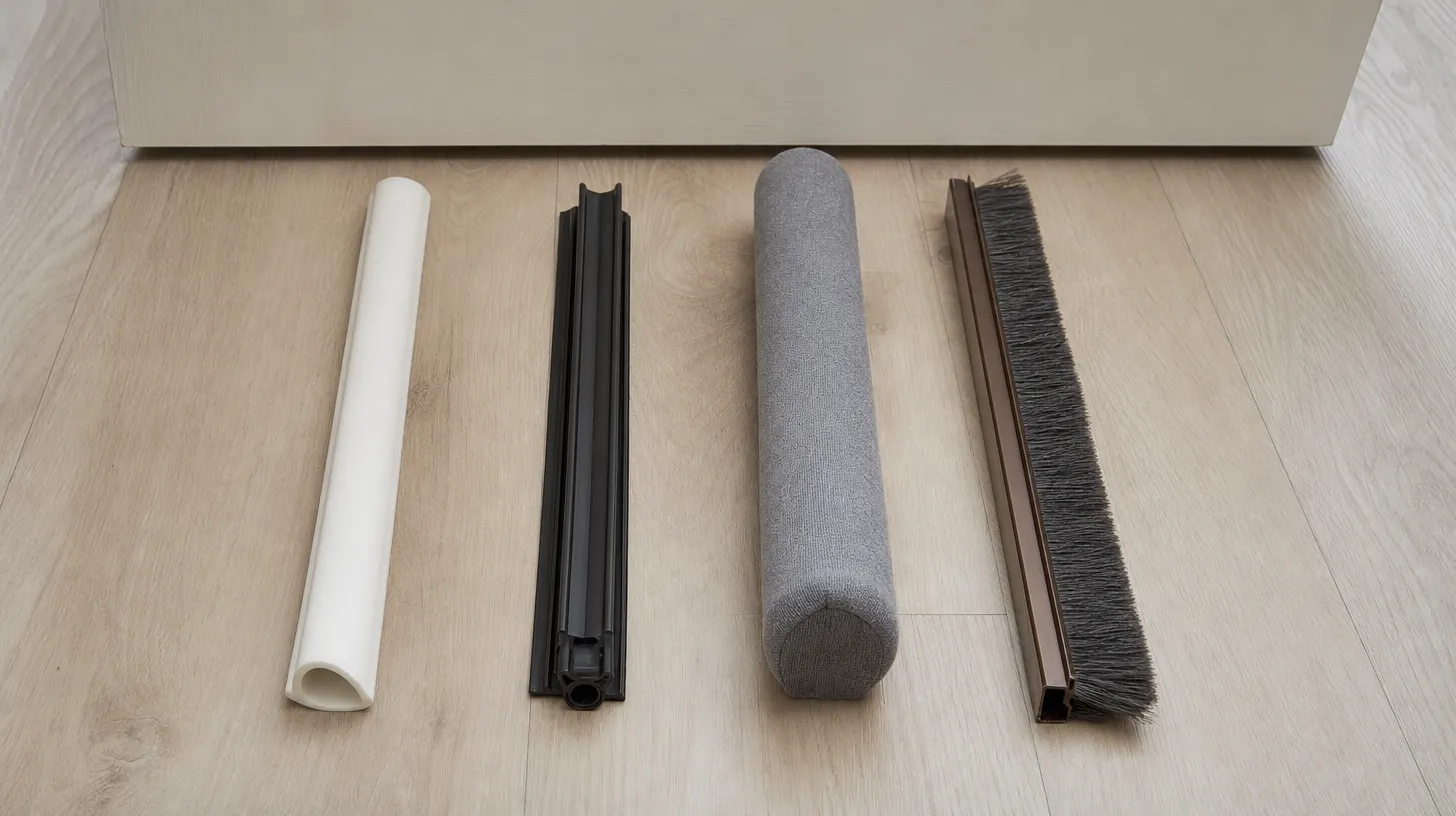
Three mechanisms, three failure modes. Choosing between them is most of the decision.
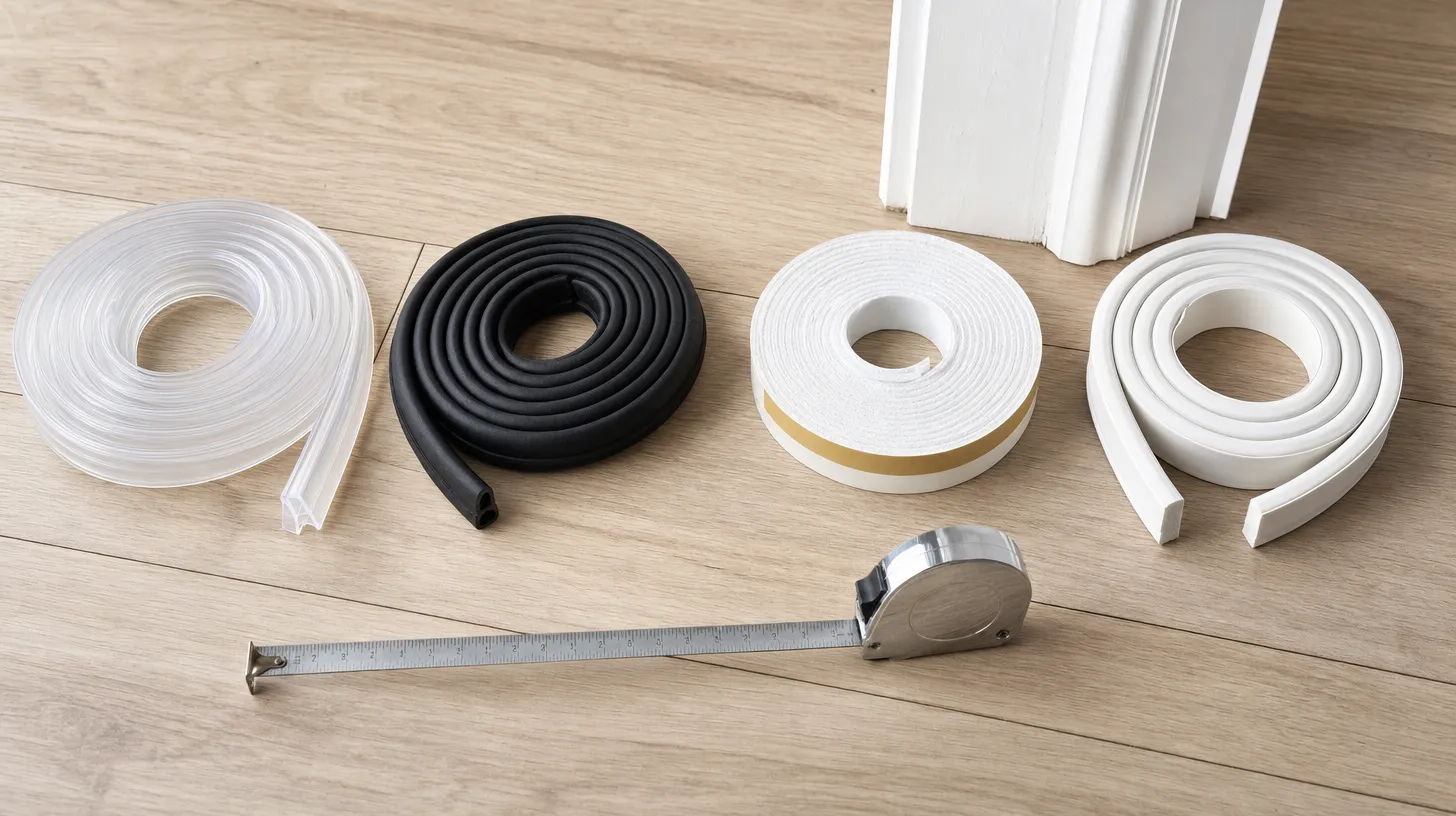
Self-adhesive silicone strips, bulb or fin. A length of silicone with a flexible lip that meets the floor, stuck to the inside face of the door. The renter default: no tools, no holes, cuts with scissors. It fails at the glue line rather than the seal, and it wants a smooth door face and a reasonably flat floor.
Fabric over foam. A foam core wrapped in fabric, either stuck to the door or sleeved under it. Softer face, kinder to a floor it brushes against, more forgiving of a gap that changes height. Foam is the least durable material here and takes a permanent set over time, which is the trade.
Screw-mounted brush sweeps. An aluminum holder carrying a dense bristle pile, screwed to the door face. A brush rides over tile, grout lines or a pitted saddle that no flat silicone fin can seal against. It is also the only one here that puts holes in the door.
The rough rule: smooth floor and smooth door, buy silicone. Rough threshold, buy a brush and get permission first. Dragging door or a gap that varies, buy fabric.
Our picks for the best draft stopper for noise
Prices are as of October 2026. None of these five publishes an acoustic rating of any kind, so where we quote a maker on noise we name the maker and treat it as a claim.
Our Pick - OXRQ Door Draft Stopper / Door Sweep
$8.99 as of October 2026 for 39 in of flexible silicone, 1.96 in wide, rated by OXRQ for a gap up to 1.5 in. Self-adhesive, and the maker states it will not damage the door or the floor. Five colors, in 1, 2 and 5 packs.
The first thing we would buy for a hallway door on a smooth floor. The silicone is not the risk, the adhesive is. OXRQ recommends warming the strip with a hair dryer for two minutes before installing in cold weather, states a firm bond after 24 hours, and warns it may not work well on rough or textured doors. The listing promises noise, draft, dust, odor, rain, light and insect blocking, which is listing copy with no rating behind it, so we take the noise part as a claim and not a number. At nine dollars, the budget silicone strip is the cheapest honest thing you can do to a rented door.
Best for an Uneven Floor - Ormein Adjustable Door Draft Stopper
$8.99 as of October 2026, also 1.96 in by 39 in, also pure silicone, rated by Ormein for a gap of 0 to 1.5 in.
The differences are all about an imperfect floor. Ormein states the silicone has no compression memory, that it is pliable enough to open over a crooked floor, that it glides over carpet, and that it does not make a dragging noise as the door swings. The maker also widened the backing adhesive to 1.5 in and added a 1 mm groove it says stops the adhesive lifting under floor friction, which is the exact way these strips die. Ormein credits a "hollow arc cavity" triple design with muffling noise and publishes no rating for it, so that stays a maker claim. Choose this over our main pick if your floor slopes or your door scrapes. Same hair dryer step in a cold room, same warning about rough surfaces.
Best Fabric Option - HomeProtect Single-Side Under-Door Draft Blocker
$11.99 as of October 2026, down from a $12.99 list, for a single-sided blocker that fits doors up to 36 in and covers what the maker calls large gaps below 1.5 in. Styrofoam core, abrasion-resistant fabric outside.
Fabric is the answer when a stiff fin would rub on your flooring. Note that this is single-sided rather than a sleeve that wraps under the door. Install is measure, cut, stick, and HomeProtect recommends preheating the adhesive with a hair dryer like everyone else. Its line about preventing light and corridor noise while you sleep is marketing copy with nothing measured behind it, and its claim that cutting heat loss saves more than 30 percent on energy bills is a maker figure we do not endorse.
Best for a Rough or Uneven Threshold - Zhilokdor Aluminum Door Sweep with PP Brush
$19.99 as of October 2026 for a 39 in aluminum-plated holder with a 2 in PP silicone brush pile, marketed by the maker for interior and exterior doors, residential and commercial.
The brush is the whole point. It rides over a rough threshold that adhesive silicone cannot seal against, which makes it the only pick here with a chance on tile, proud grout or a pitted sill. It is screw-mounted - the screws are in the box and installing it means drilling into the door. In a rental that is a conversation rather than a weekend job, and it gets its own section below. The maker claims draft, particle and rain protection plus energy saving, with no acoustic rating published. If adhesive has already let go twice, the brush sweep is the mechanism that will not.
Best Upgrade - Vellure Premium Door Sweep / Draft Stopper
$29.90 as of October 2026, roughly three times the budget silicone sweeps, for a 2 in high by 39 in long strip of what Vellure calls industry-grade silicone with thick 3d chambers the maker credits with reducing sound and external noise. No rating is published for the chambers, so that is a claim and not a finding.
What the money buys is adhesion. Vellure describes the adhesive as exceptionally strong and removable without damaging the door, says the strip works on any surface, and puts installation at under a minute. It is the only silicone strip here that does not warn you off textured doors. That makes the upgrade pick the sensible second attempt after a cheap sweep has peeled, and a poor first purchase if a nine-dollar strip would have held fine.
Why the adhesive is this category's real failure mode
Three of these five listings independently tell you to warm the adhesive with a hair dryer in cold weather. Two warn plainly that it will not hold on a rough or textured door. When competing makers converge on the same caveat, believe them: this category does not fail at the seal, it fails at the glue.
- Clean the door face before anything touches it. Isopropyl alcohol on a rag, let it flash off. Adhesive on dust is adhesive on nothing.
- Warm it if the room is cold. OXRQ and Ormein both specify two minutes with a hair dryer. Pressure-sensitive adhesive is stiff and lazy below room temperature.
- Press hard along the whole run, then leave it alone. OXRQ states a firm bond after 24 hours, so close the door gently that first day.
- Check the texture first. A heavily textured door gives adhesive a fraction of its area to grip. If that is your door, the choice is Vellure's any-surface claim or the brush sweep.
- Expect to redo it once. Nine dollars buys the right to peel a run off and reapply it an inch lower.
There is a move-out consideration too. Strong adhesive is what you want on day one and what you fear on the last day. Peel slowly and in one piece, lift residue with isopropyl alcohol or an orange-oil remover, and never take a blade to a rented door. OXRQ states its strip damages neither door nor floor, Ormein states it will not damage the floor, and Vellure states it removes without damaging the door - their claims, so test a two-inch piece somewhere invisible for a day first.
The screw-mounted exception, and the warning that goes with it
The Zhilokdor is the odd one out and the only pick we would hesitate over for a tenant. It ships with screws and an aluminum holder, and it attaches by screwing through that holder into the face of the door.
Drilling a door you do not own is a landlord question, full stop. Screw holes in a door face are not patchable the way a nail hole in drywall is, and the door is a fixture you can be billed for.
So it is the right buy in one situation: a threshold that adhesive silicone cannot seal against. A flat fin needs something flat to meet, and a bristle pile does not care. If that is your floor, ask - plenty of landlords say yes to a draft fix on an exterior door. If the answer is no, fabric is the fallback, and it will not seal as tightly.
Automatic door bottoms - the pro option we have not linked
There is a grade above all of this, and it is what real acoustic doors use. Acoustical Solutions describes its automatic door bottom as a flat spring mechanism that activates when the door closes, lowering a neoprene insert against the floor or threshold to create a sound seal. Open the door and the seal retracts, so nothing drags.
That design beats a sweep for one reason: the seal only touches the floor when the door is shut, so it can press far harder than anything that has to slide. It is the pressure problem Second Skin Audio names when it writes that standard rubber door seals "just can't create the amount of pressure required, without also making the door impossible to open."
And it is out of reach for nearly every renter. The mortised versions - the ones used on real acoustic door assemblies - mean routing a channel along the bottom edge of the door, and they need a solid door thick enough to take the cut. Pemko's full-mortise 411 series is listed for doors 1-3/4 in or thicker, with a separate end plate kit needed for a 1-3/8 in door, and Raven's morticed RP127Si specifies solid-core doors with a minimum thickness of 40 mm. Surface-mounted versions exist and skip the routing, but they screw to the door face, which puts a tenant back in the landlord conversation above. A typical hollow-core apartment door is thinner and hollow in the middle, so there is nothing to mortise into, and cutting a channel in a landlord's door is not a renter project. We have deliberately given this category no product card and no price: if you own the door and it is solid, buy it from a door hardware supplier rather than a marketplace listing.
What a door sweep cannot do
Here is where we talk ourselves out of a sale. A sweep closes an air path. It adds no mass. So a sweep does nothing for:
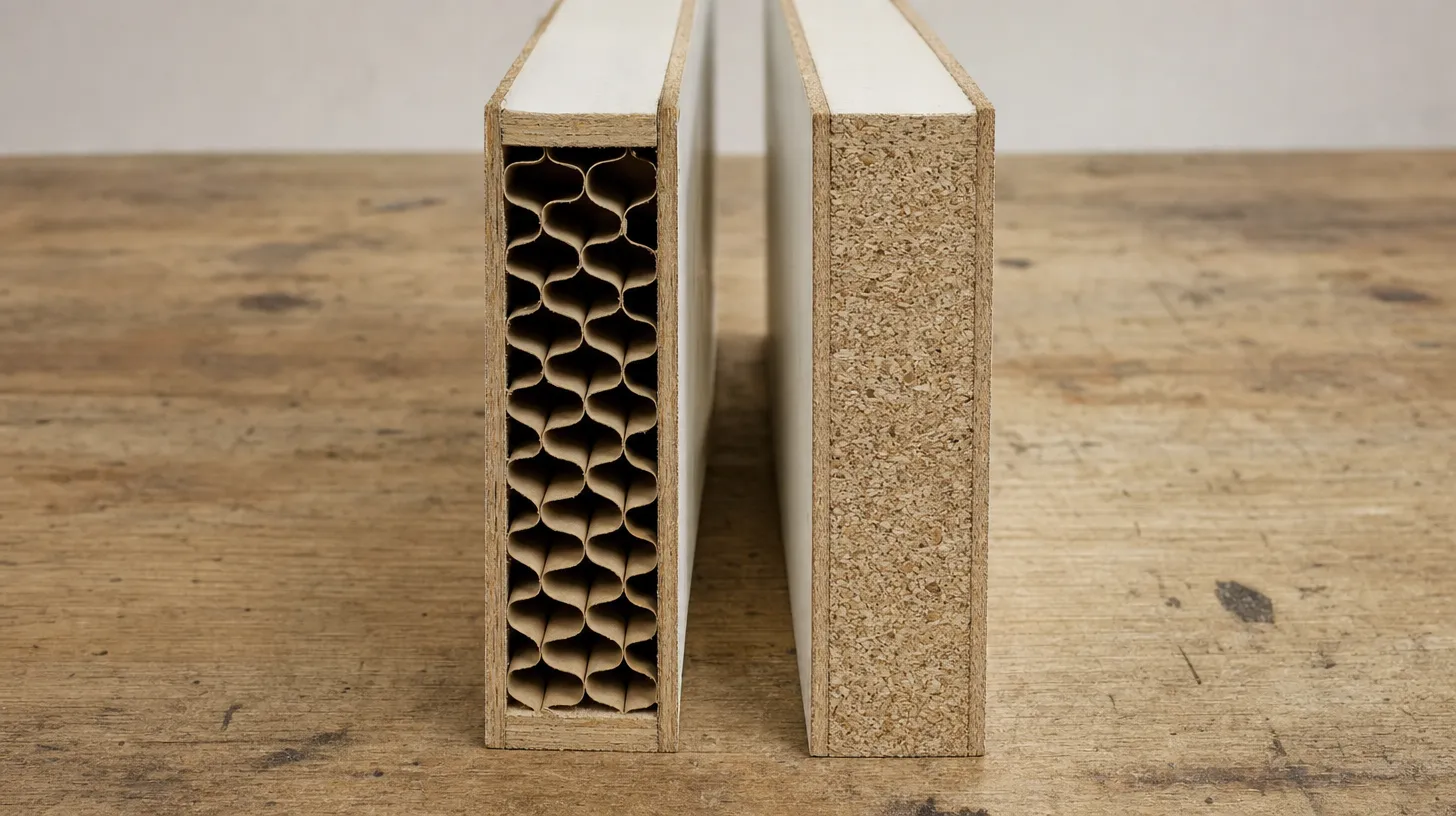
- The door's own transparency to sound. A sealed hollow-core door is still hollow: two thin skins with air between them, close to the worst barrier in your apartment. That is a slab problem, and we compared the options in hollow-core and solid-core doors.
- Bass and low frequency noise. Long wavelengths move through structure as readily as air, and sealing a gap will not touch the subwoofer two units over.
- Impact noise. Footsteps and dropped objects travel through the building rather than under your door, which is a different mechanism - see impact noise versus airborne noise.
- The rest of the perimeter. The sides and head need a different product from the bottom gap: compression weatherstripping along the stop, the same family of material we covered in the best weatherstripping to block street noise. Bundled kits for the whole frame exist, and we cover the best door seal kits separately.
One more plain thing: these are sold as draft stoppers first. Every listing here leads on cold air and energy saving and treats noise as secondary, which is much of why they cost nine dollars rather than ninety. The Department of Energy counts caulking and weatherstripping among the air-sealing measures with quick returns, often a year or less, and the dust, light and odor blocking is a genuine bonus. You are buying a draft product and using it acoustically, which works because both problems are the same hole.
The order we would work in
- Dark room, hall light on. Find out whether light shows under the door, up the sides, or both.
- Measure the bottom gap at three points and take the widest. Over 1.5 in is a maintenance request, not a purchase.
- Check the floor and the door face. Smooth and smooth means silicone, a rough threshold means a brush and a landlord conversation, a dragging door means fabric.
- Clean, warm, press, then leave it 24 hours. Our 5 easy steps to soundproof your door covers the quick version of the rest.
- Listen for a night before buying anything else.
Step five is the one everybody skips. Sealing is the cheapest move available and it tells you what the next one should be. If the room is noticeably quieter, the gap was your problem. If it is barely different, the sound is coming through the slab and the walls, and the next spend is mass rather than more tape.
For the full sequence - gap, perimeter, slab, and the things not worth buying at all - The Soundproof Apartment's complete door guide ranks it by payoff per dollar.

A 39 in length of flexible silicone, 1.96 in wide, that the maker rates for a gap up to 1.5 in. Self-adhesive, trims to your door, and OXRQ states it damages neither door nor floor. Sold in black, white, brown, gray and transparent, in 1, 2 and 5 packs.
The renter default and the first thing we would buy for a noisy hallway door on a smooth floor. The silicone is not the risk, the adhesive is - OXRQ recommends warming the strip with a hair dryer for two minutes in cold weather, says the bond is firm after 24 hours, and warns it may not work well on rough or textured doors.
*Price shown on Amazon and subject to change.

Also 1.96 in by 39 in and also pure silicone, but rated by Ormein for a gap of 0 to 1.5 in and built around what it calls a hollow arc cavity triple design. The backing adhesive is widened to 1.5 in with a 1 mm groove the maker says keeps floor friction from peeling it off.
Buy this over our main pick if your floor slopes, your door scrapes, or you have carpet to clear. Ormein states the silicone has no compression memory, bends open across a crooked floor, glides over carpet and does not make a dragging noise - which is the specific complaint that makes people rip a sweep off after a week. Same hair dryer step in the cold, same warning about rough or textured surfaces.
*Price shown on Amazon and subject to change.

A single-sided fabric-over-foam blocker that fits doors up to 36 in and covers what the maker calls large gaps below 1.5 in. The core is styrofoam wrapped in abrasion-resistant fabric. List price $12.99, and $11.99 as of October 2026.
The right call when a stiff silicone fin would rub on your flooring, or when the gap varies more than a rigid lip can follow. Two honest notes: it is single-sided rather than a sleeve that wraps under the door, and HomeProtect's claim that reducing heat loss cuts energy bills by more than 30 percent is a maker figure we do not endorse.
*Price shown on Amazon and subject to change.

A 39 in aluminum-plated holder carrying a 2 in PP silicone brush pile, marketed by the maker for interior and exterior doors in homes and commercial buildings. It mounts with screws, which ship in the box.
The answer for a threshold adhesive silicone cannot seal against - tile with proud grout lines, a saddle that is no longer flat, a pitted sill. Read the install method before you buy: it screws into the face of the door, which in a rental means drilling a door you do not own, so ask your landlord first.
*Price shown on Amazon and subject to change.

A 2 in high, 39 in long strip of what Vellure calls industry-grade silicone, built with thick 3d chambers the maker credits with reducing sound and external noise. Self-adhesive and trimmable, with installation the maker puts at under a minute.
At roughly three times the price of the budget silicone sweeps, this is the pick for someone whose cheap sweep has already peeled off. Vellure is the only maker here that claims the adhesive works on any surface and removes without damaging the door, which is the claim that matters most in a rental - but it is a claim, not a tested result, and the chambers carry no published rating.
*Price shown on Amazon and subject to change.
| Pick | Product | Link | |
|---|---|---|---|
| Our Pick | OXRQ — OXRQ Door Draft Stopper / Door Sweep (39 in, silicone) | $8.99 | Check → |
| Best for an Uneven Floor | Ormein — Ormein Adjustable Door Draft Stopper (39 in, silicone) | $8.99 | Check → |
| Best Fabric Option | HomeProtect — HomeProtect Single-Side Under-Door Draft Blocker (36 in) | $11.99 | Check → |
| Best for a Rough or Uneven Threshold | Zhilokdor — Zhilokdor Aluminum Door Sweep with PP Brush (39 in) | $19.99 | Check → |
| Best Upgrade | Vellure — Vellure Premium Door Sweep / Draft Stopper (39 in, silicone) | $29.90 | Check → |

Lillie Metayer
Lillie Metayer is the founder of a local program that helps apartment-dwellers take action against noise pollution. Involved in environmental activism since high school, Lillie is passionate about raising awareness of the harms of noise exposure and helping people reduce noise in their communities. In her free time, Lillie enjoys playing the violin and spending time outdoors.