There are few things more maddening than a thin wall and a loud neighbor. Before you spend a cent, it helps to know one hard truth: you cannot fully soundproof a shared wall in a rental. Real blocking takes mass and structural decoupling that landlords rarely allow. But you can make a big, real difference with a layered approach — and a surprising amount of it is free. Here's the plan, from the fixes that cost nothing to the ones worth buying.
First, figure out what kind of noise you're fighting
Two very different problems get lumped together as "noisy neighbors," and they need different fixes:
- Airborne noise — voices, TV, music, a barking dog. This travels through the air and leaks through gaps and thin walls. It's the more treatable of the two.
- Impact (structural) noise — footsteps, dropped objects, furniture dragging, bass thump. This travels through the building structure itself, which is why you feel it as much as hear it. It's much harder to stop from your side, especially if it's coming from above.
If it's airborne, the steps below will help a lot. If it's impact noise from upstairs, manage expectations: masking and the conversation matter more than any product.
Step 1: The free fixes (do these first)
- Talk to them. Most people genuinely don't realize how much carries through. A friendly, specific request ("the bass really comes through after 11") works more often than you'd think.
- Document and escalate. If talking fails, keep a dated log of incidents and raise it with your landlord or building manager. Many leases have quiet-hours clauses.
- Rearrange your furniture. This is the most underrated free move. Push a full, heavy bookcase or a wardrobe against the shared wall. Books are dense — a packed bookshelf is a cheap mass barrier that genuinely reduces airborne transmission. Put your bed and desk against a quiet wall instead.
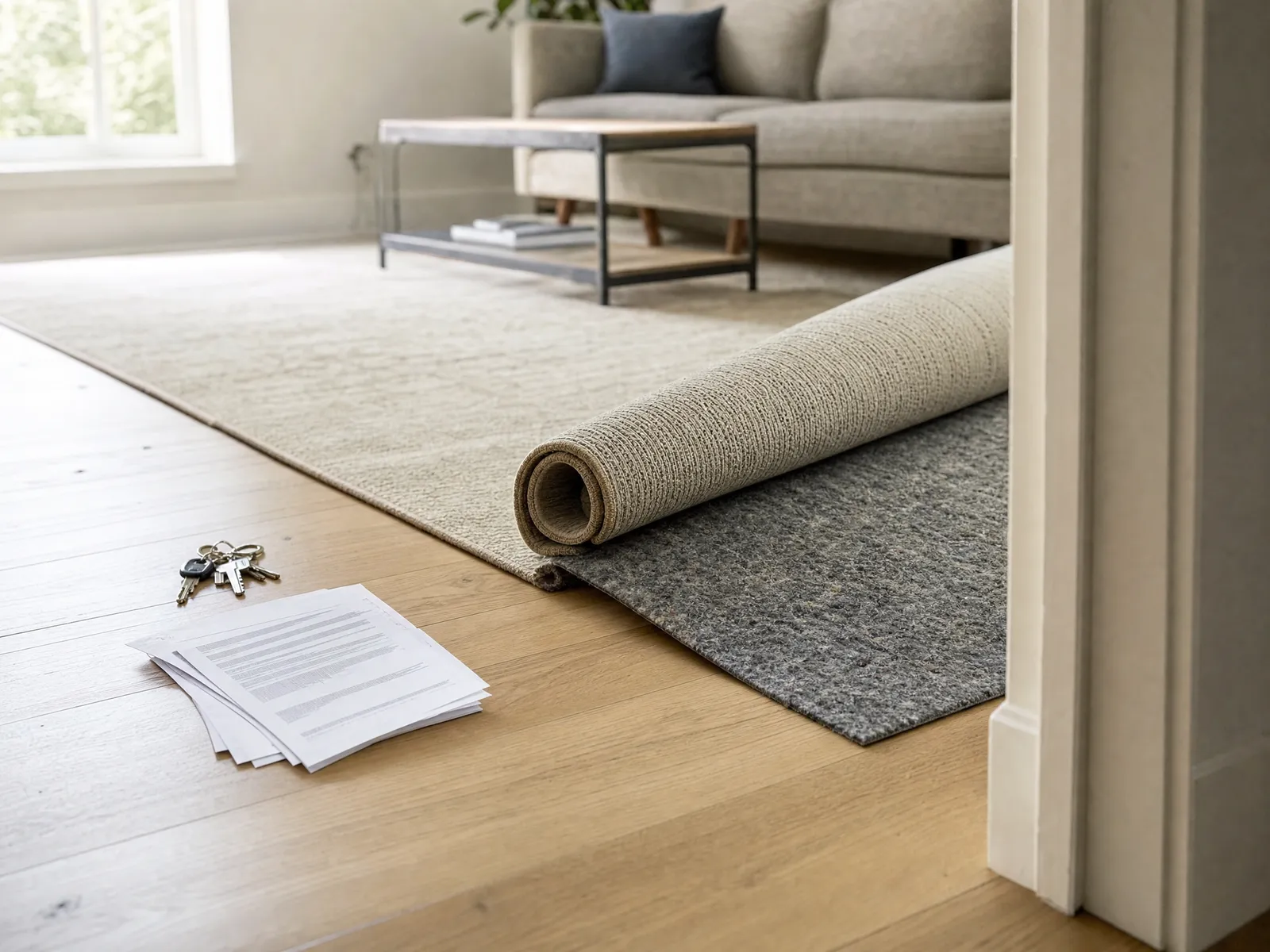
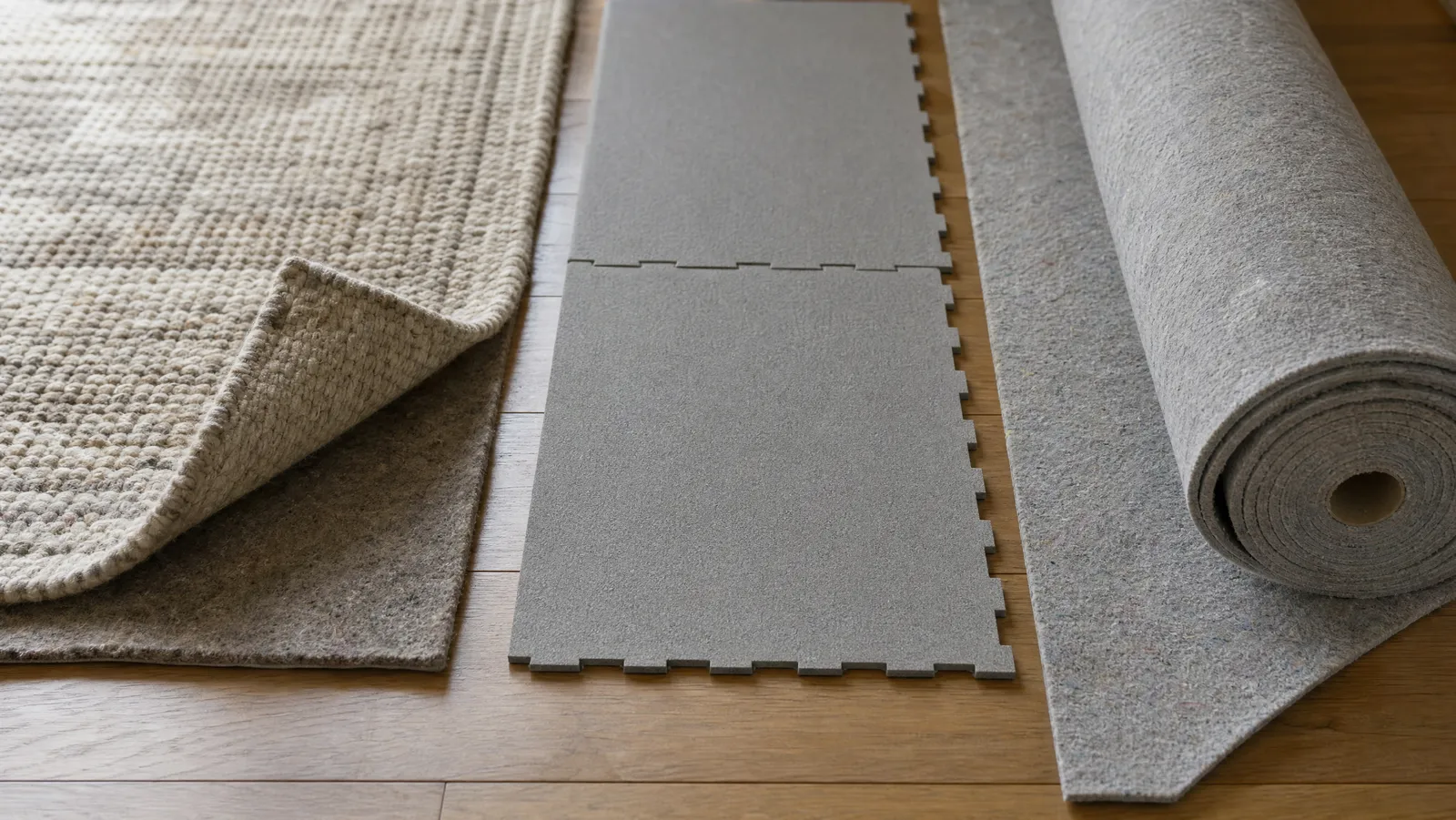
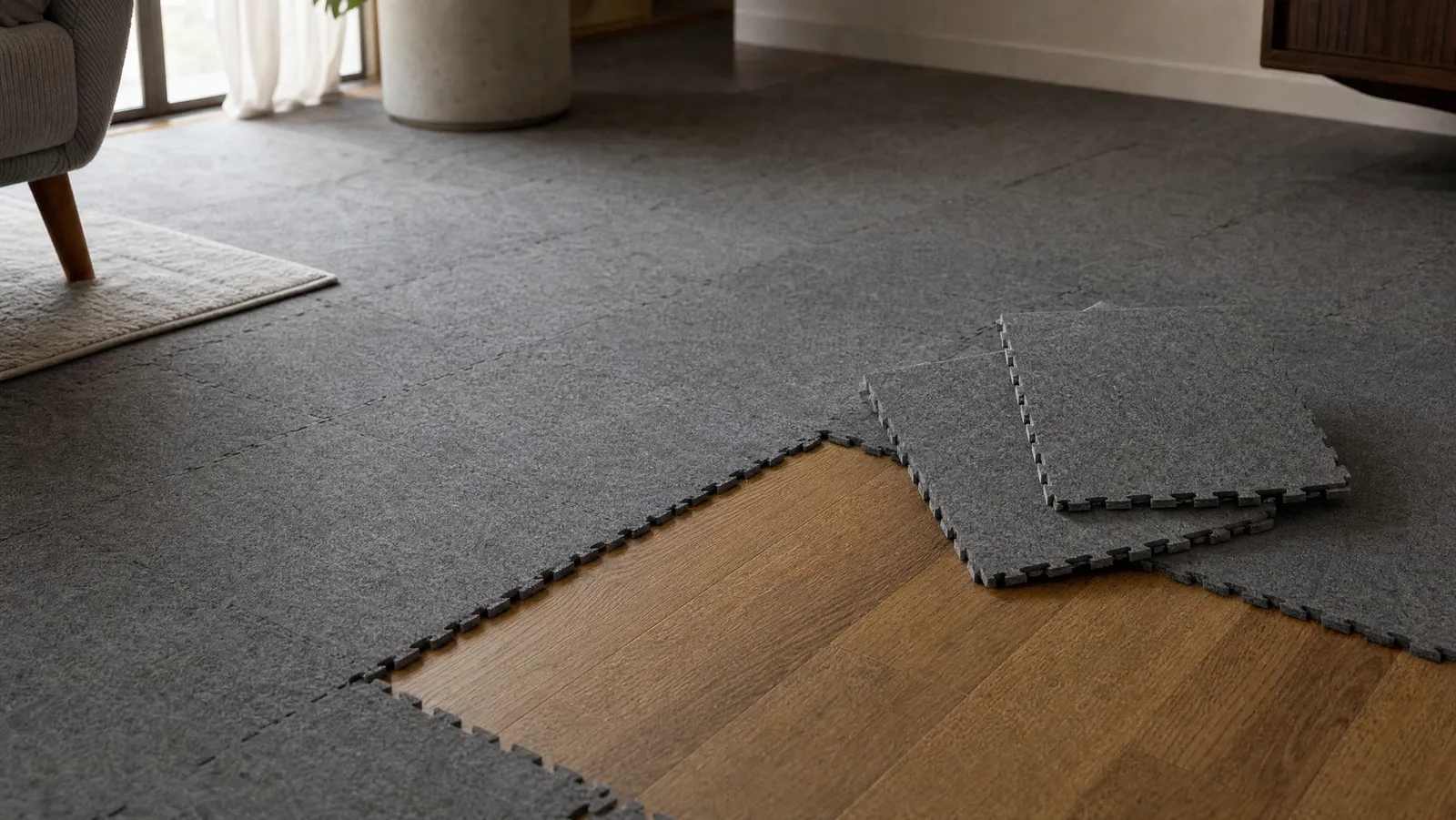
- Lay down rugs. A thick rug with a dense pad is the single best thing you can do about your own impact noise (and a courtesy that makes the "please turn it down" conversation easier). Soft furnishings everywhere also cut echo.
Step 2: Seal the sneaky gaps
Sound is like water — it finds the cracks. On shared walls, the usual culprits are electrical outlets, light switches, and gaps around trim, plus any shared or adjoining door. Add foam gaskets behind outlet covers, and seal gaps with acoustic caulk or weatherstripping.
If you share a doorway with a neighbor or hallway, treat that door like the weak point it is: seal its perimeter with the 5-step door method, block the gap underneath, and add mass and absorption to the panel. A leaky door undoes everything else.
Step 3: Treat the wall (with realistic expectations)
This is where acoustic panels come in — but be clear on what they do. Panels absorb sound, which reduces echo and reverb in your room and makes the noise that gets through feel softer and less sharp. They do not block much sound from coming through the wall (that needs mass and decoupling). So think of panels as comfort and echo control, ideally layered over the mass of a bookshelf. To predict the payoff before buying, our free soundproofing calculators estimate how far a room's echo will drop and how much a barrier's mass will actually block.
For that job, here's what to buy:
- VIVELDA felt panels — our pick: dense felt (NRC up to 0.95), damage-free tabs, and they look like an intentional accent wall.
- INNO faux-brick felt tiles — the most decorative option if you want it to look like a renovation.
- Art3d wood-slat panels — premium looks with real absorption.
- Budget foam wedges (52-pack) — cheapest way to cover a big wall, though foam only absorbs.
- Acoustimac pro panels — studio-grade NRC .95+ if you're treating a dedicated room and have the budget.
For genuine blocking on a wall, you'd add mass-loaded vinyl behind the panels or build a mass layer — the same principle covered in our door absorption guide.
Step 4: Mask whatever is left
After you've cut the noise down, mask the remainder so it stops grabbing your attention. This is especially effective for unpredictable airborne noise like voices and TV:
- A white noise machine raises the background level so the neighbor's sounds blend in. Brown noise is great for masking bass.
- For sleep, add earplugs for personal, portable quiet.
- If street noise compounds the problem, heavy curtains handle the window side.
The realistic recipe
For most renters dealing with airborne neighbor noise, the winning combination is: a friendly conversation + a packed bookshelf against the shared wall + sealed outlets and doors + absorptive panels + a white noise machine. No single item is magic, but stacked together they turn an intrusive wall into a manageable one. For impact noise from above, lead with the conversation, rugs, the landlord, and masking — and keep your expectations grounded.
FAQ
Do acoustic panels block noise from neighbors?
Not really — they absorb sound and reduce echo in your own room, which makes intruding noise feel softer, but they don't block much transmission through a shared wall. Blocking needs mass (like a packed bookshelf or mass-loaded vinyl) and ideally structural decoupling.
What's the cheapest way to quiet a shared wall?
Move a full, heavy bookcase against it. Books add real mass for free, and you can layer absorptive panels on top. Seal any outlets and gaps, then mask the rest with white noise.
How do I deal with footsteps from upstairs?
Impact noise through the ceiling is the hardest to fix from below, and most products do little. Focus on a polite conversation, asking about rugs, involving the landlord, and masking the sound with a white noise machine for sleep. Our full renter's guide to reducing noise from upstairs neighbors walks through each of those steps in order.
Will my landlord let me soundproof?
Renter-friendly measures — bookshelves, rugs, removable panels with damage-free tabs, weatherstripping, door sweeps — need no permission and leave no damage. Anything structural (extra drywall, resilient channel, permanent MLV) should be cleared with your landlord first.

Dense slatted felt panels rated NRC up to 0.95, OEKO-TEX certified, that go up with damage-free adhesive tabs. They tame echo on a shared wall and look like a design choice.
They look like an intentional accent wall, not a soundproofing hack, and the room sounds calmer and less echoey with them up.
*Price shown on Amazon and subject to change.
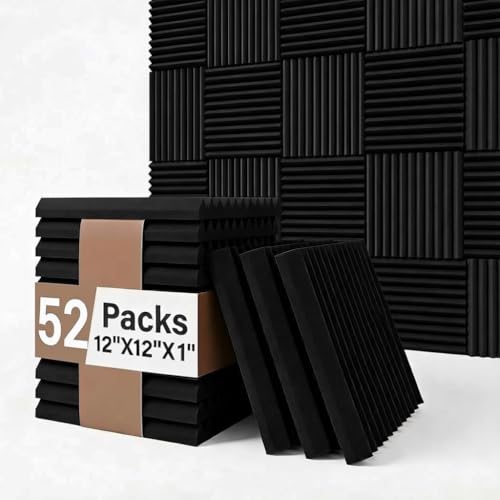
Fifty-two wedge foam tiles for cheap, broad coverage. Foam only absorbs (it won't block), but for killing echo across a big wall on a budget it does the job.
Covered a whole wall for thirty bucks. The room stopped echoing and my calls sound much clearer.
*Price shown on Amazon and subject to change.

Recycled-PET felt tiles in a 3D faux-brick pattern (NRC 0.6-0.85) that stick up with included tabs. Absorptive and genuinely good-looking on a feature wall.
The brick texture looks fantastic and the felt actually deadens sound. Guests think it's a renovation, not a soundproofing project.
*Price shown on Amazon and subject to change.
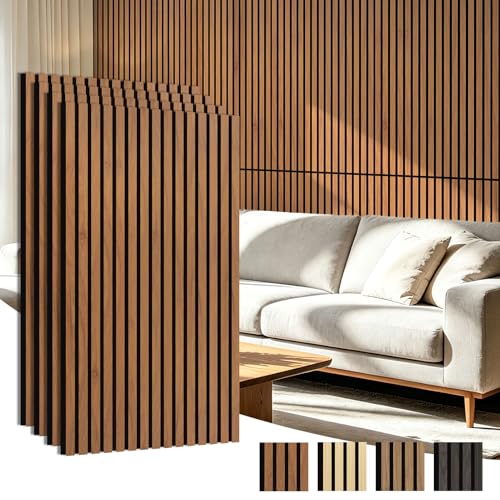
Wood-slat-over-felt panels covering about 30.8 square feet, for people who want acoustic treatment that reads as high-end decor. Easy to mount with adhesive or hardware.
These transformed the living room. Warmer-sounding, less echoey, and they look like a designer feature wall.
*Price shown on Amazon and subject to change.
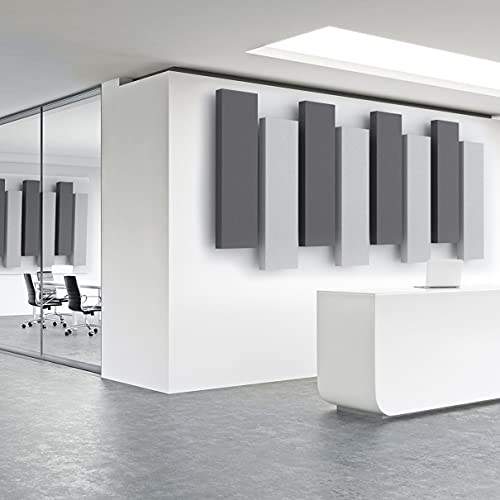
Studio-grade fabric-wrapped panels rated NRC .95+ and Class A fire-rated. The serious option if you want maximum absorption and have the budget. (Ships in about a week.)
Professional quality. Thick, well-built, and the most effective absorption I've used. Worth it for a dedicated room.
*Price shown on Amazon and subject to change.
| Pick | Product | Link | |
|---|---|---|---|
| Our Pick | VIVELDA — VIVELDA Felt Acoustic Wall Panels, 12-Pack (NRC up to 0.95) | $37.99 | Check → |
| Best Budget Coverage | XIN&LOG — Acoustic Foam Wedge Panels, 52-Pack | $30.99 | Check → |
| Best Decorative | INNO STICKERS — INNO 3D Faux Brick Felt Acoustic Panels, 8-Pack (NRC 0.6-0.85) | $25.99 | Check → |
| Best Premium Look | Art3d — Art3d Wood Slat Acoustic Panels, 4-Pack (47 x 23.6 in) | $99.99 | Check → |
| Best Pro-Grade | Acoustimac — Acoustimac DMD Acoustic Panels, 8-Pack (NRC .95+) | $432.95 | Check → |

Lillie Metayer
Lillie Metayer is the founder of a local program that helps apartment-dwellers take action against noise pollution. Involved in environmental activism since high school, Lillie is passionate about raising awareness of the harms of noise exposure and helping people reduce noise in their communities. In her free time, Lillie enjoys playing the violin and spending time outdoors.